
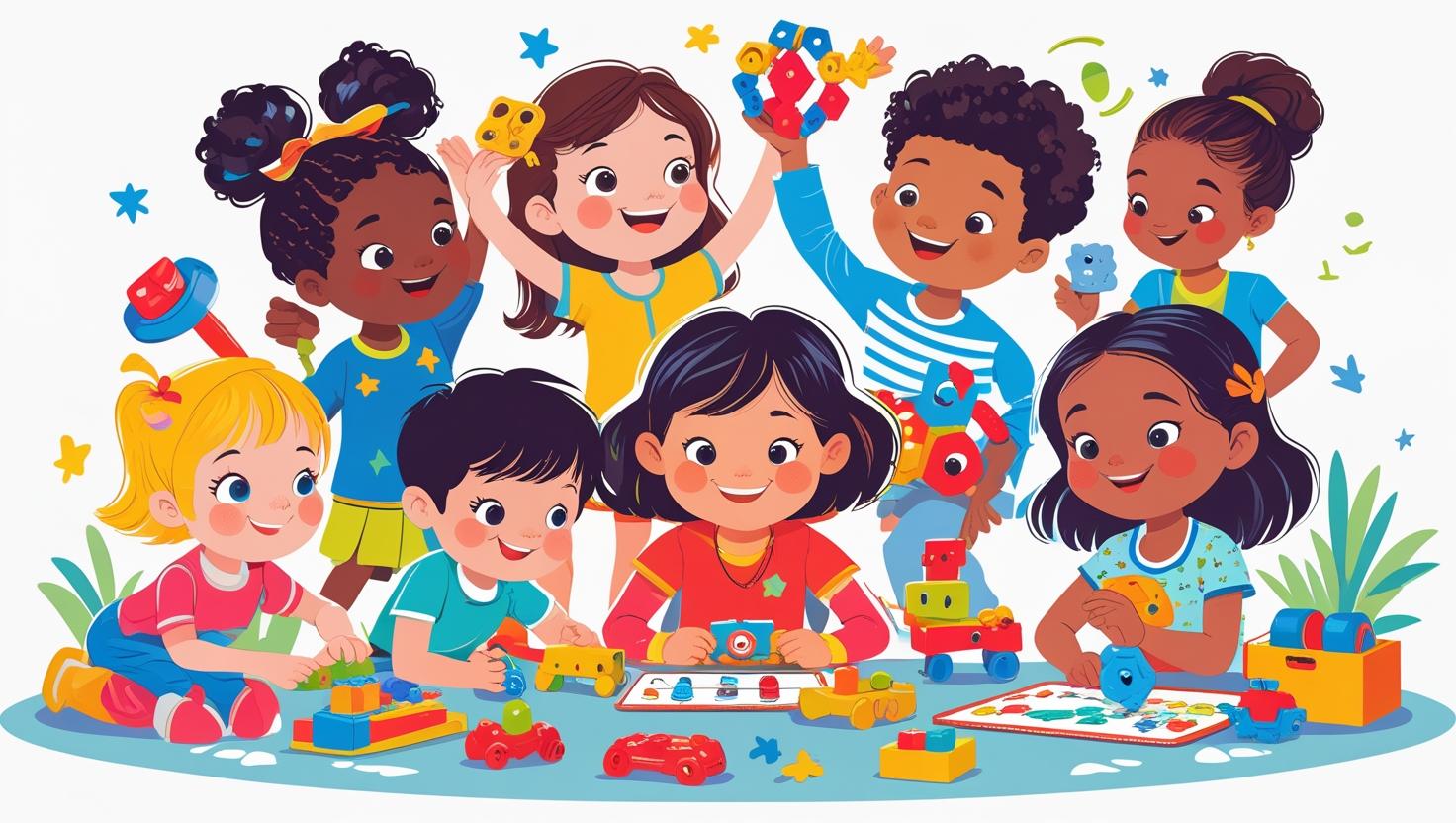
Emotional intelligence isn’t taught through lectures or flashcards. It develops through experience — especially play.
While STEM toys are often praised for building logic and problem-solving skills, many parents overlook another powerful benefit: they can help children understand, manage, and express emotions.
When kids build, test, fail, and try again, they practice emotional skills that matter just as much as academic ones.
Here’s how STEM toys quietly support emotional intelligence during everyday play.
What Emotional Intelligence Really Means for Kids
Emotional intelligence includes skills like:
- Recognizing emotions
- Managing frustration
- Communicating feelings
- Showing empathy
- Building confidence
These skills develop gradually through repeated real-world experiences — not direct instruction.
Why STEM Toys Are Effective for Emotional Learning
STEM toys naturally create emotional moments.
During play, kids often:
- Feel excitement when something works
- Experience frustration when it doesn’t
- Practice patience while figuring things out
These moments provide safe opportunities to learn emotional regulation.
Trial and Error Teaches Emotional Control
STEM toys rarely work perfectly on the first try.
When children rebuild, adjust, and experiment, they learn:
- How to stay calm under pressure
- That mistakes are part of learning
- How to cope with disappointment
Over time, this builds emotional resilience.
Building Confidence Through Problem Solving
Completing a challenge strengthens self-belief.
Each small success teaches kids:
- “I can figure this out.”
- “I don’t have to give up.”
This confidence carries over into school, friendships, and new challenges.
Encouraging Emotional Expression During Play
STEM play opens the door for meaningful conversations.
Parents can ask:
- “How did that make you feel?”
- “What part was frustrating?”
- “What helped you keep going?”
Talking about emotions during play helps kids label and understand their feelings.
Cooperative STEM Play Builds Empathy
When kids build together, they learn:
- Turn-taking
- Listening to others’ ideas
- Respecting different approaches
Group STEM activities naturally encourage empathy and collaboration.
STEM Toys Support Focus and Patience
Many STEM toys require sustained attention.
As kids concentrate on solving problems, they practice:
- Delayed gratification
- Emotional regulation
- Persistence
These are key components of emotional intelligence.
The Parent’s Role: Guide, Don’t Fix
Resist the urge to solve problems for your child.
Instead:
- Acknowledge their feelings
- Encourage them to try again
- Celebrate effort, not perfection
Supportive guidance strengthens emotional growth.
Emotional Learning Happens Naturally Through Play
The beauty of STEM toys is that emotional learning happens quietly.
Children don’t feel like they’re being taught emotional skills — they’re simply playing, exploring, and growing.
Final Thoughts
STEM toys do more than build smart kids — they help build emotionally capable ones.
Through challenges, creativity, and collaboration, children learn how to manage emotions, build confidence, and connect with others. When play includes thoughtful problem-solving, emotional intelligence grows right alongside cognitive skills.