
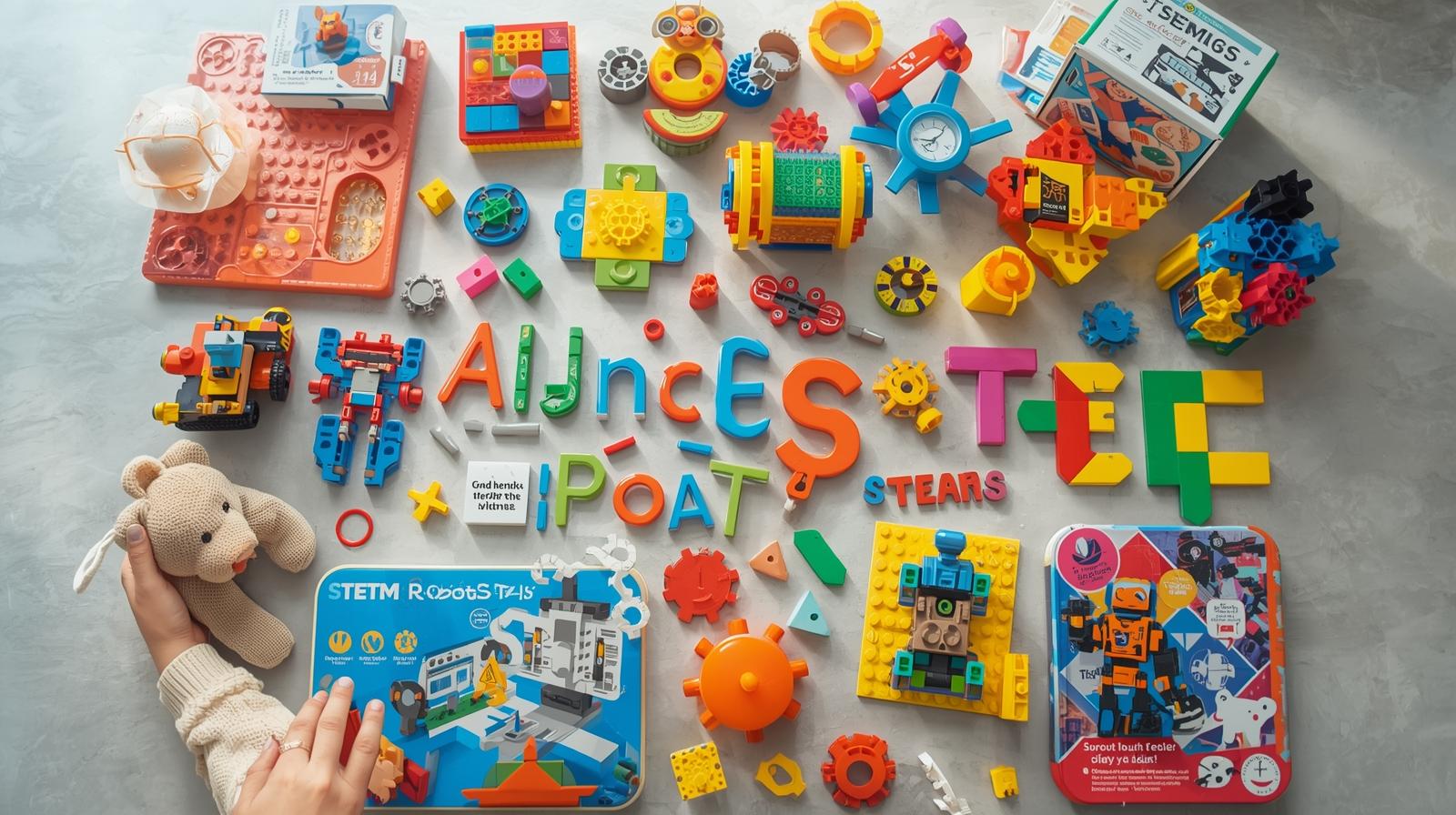
STEM learning is powerful, but when you add art into the mix, something special happens.
That’s where STEAM comes in — Science, Technology, Engineering, Art, and Math. Art doesn’t distract from STEM learning. In fact, research shows it deepens understanding, creativity, and engagement.
The good news is you don’t need special supplies or expensive kits to bring STEAM into your home. You can start with what you already have.
Here’s how to blend art naturally into STEM play — without turning it into a lesson.
Why Art Belongs in STEM Play
Art encourages imagination, expression, and flexible thinking. These are the same skills scientists and engineers use every day.
When kids combine art with STEM, they:
- Explore multiple solutions
- Stay engaged longer
- Feel less pressure to be “right”
STEAM play supports both logical thinking and creativity, which strengthens overall learning.
Start With Open-Ended STEM Toys
Open-ended toys are the easiest way to invite art into STEM.
Look for toys that allow children to:
- Build freely
- Design their own creations
- Modify and personalize projects
Once the structure is built, art naturally follows.
Add Drawing to the Building Process
Encourage kids to sketch ideas before or after building.
Drawing helps children:
- Visualize plans
- Reflect on what worked
- Communicate ideas
You can ask simple questions like:
- “What do you want it to look like?”
- “How could you make it better?”
No artistic skill required — the thinking matters more than the drawing.
Use Color as a Design Challenge
Color isn’t just decoration. It can be part of the problem-solving process.
Try challenges like:
- Design a bridge using only three colors
- Create a pattern that repeats
- Color-code parts by function
This blends math, design, and creativity seamlessly.
Tell Stories About Creations
Storytelling turns STEM projects into meaningful experiences.
After building, invite kids to explain:
- What their creation does
- Who uses it
- How it solves a problem
This strengthens communication skills and helps kids connect abstract ideas to real-world use.
Mix Everyday Art Supplies Into STEM Play
You don’t need special tools.
Simple materials work beautifully:
- Paper and cardboard
- Markers and crayons
- Tape and glue
These supplies allow kids to decorate, redesign, and customize STEM projects, making them feel personal and exciting.
Encourage Redesign Instead of Perfection
STEAM thrives on iteration.
If something doesn’t work, invite kids to:
- Change the design
- Add new elements
- Try again
This teaches resilience and shows that creativity is part of problem-solving — not a separate activity.
Follow the Child’s Lead
Some kids lean toward building. Others lean toward decorating. Both are valuable.
Let children decide:
- How much art to include
- What their project becomes
- When it feels finished
When kids feel ownership, learning happens naturally.
STEAM Builds Skills Beyond Academics
Blending art into STEM helps children develop:
- Creative confidence
- Flexible thinking
- Emotional expression
These skills support learning across all subjects — not just science and math.
Final Thoughts
STEAM at home doesn’t require a curriculum or a schedule.
It happens when kids build, imagine, redesign, and express ideas freely.
By blending art into STEM play, you’re not watering down learning — you’re making it richer, more meaningful, and more fun.