
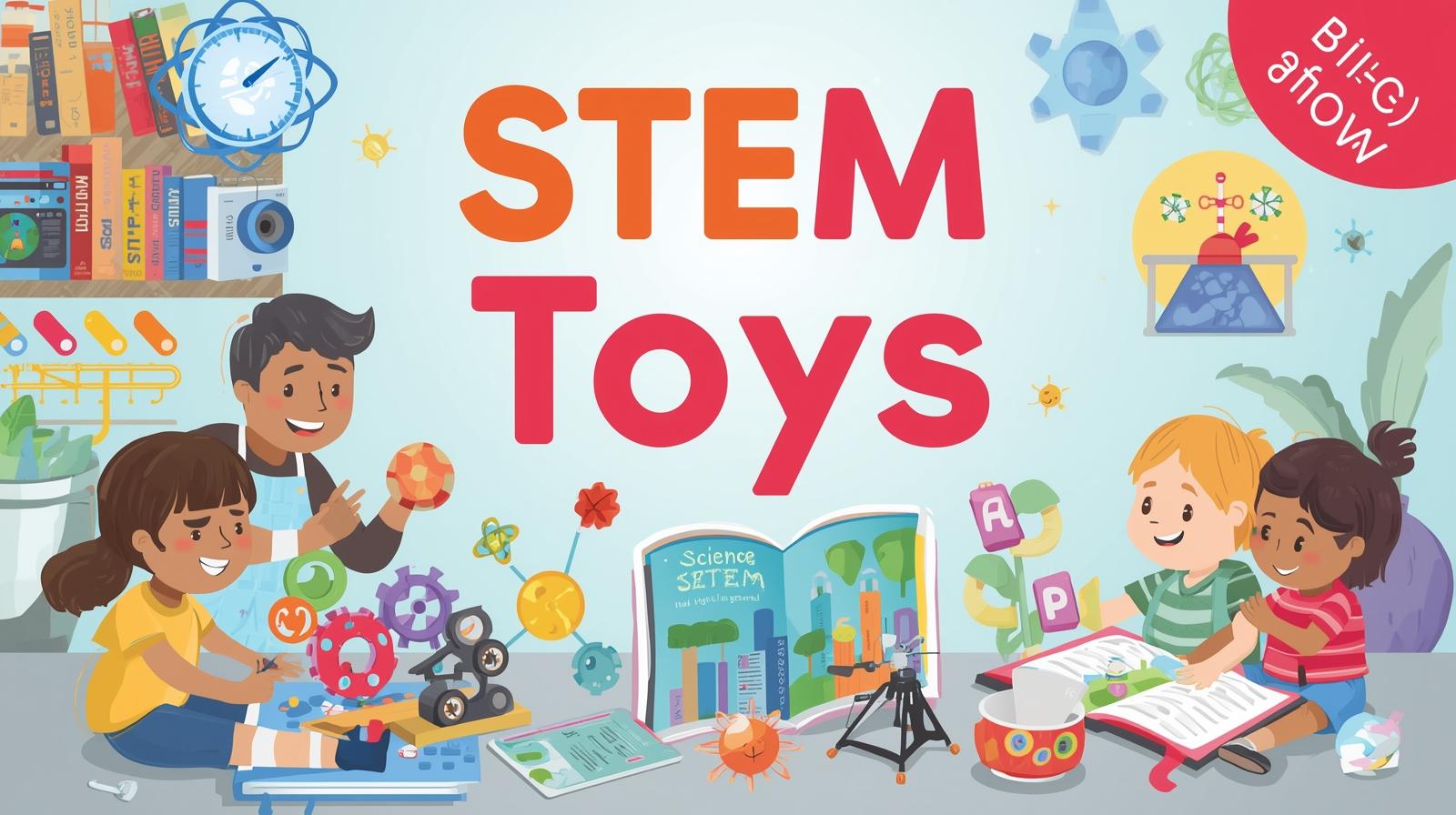
STEM + Storytime: How to Pair Books With Hands-On Toys
Combining storybooks with hands-on STEM toys deepens understanding, boosts engagement, and turns reading into active learning.
Combining storybooks with hands-on STEM toys deepens understanding, boosts engagement, and turns reading into active learning.
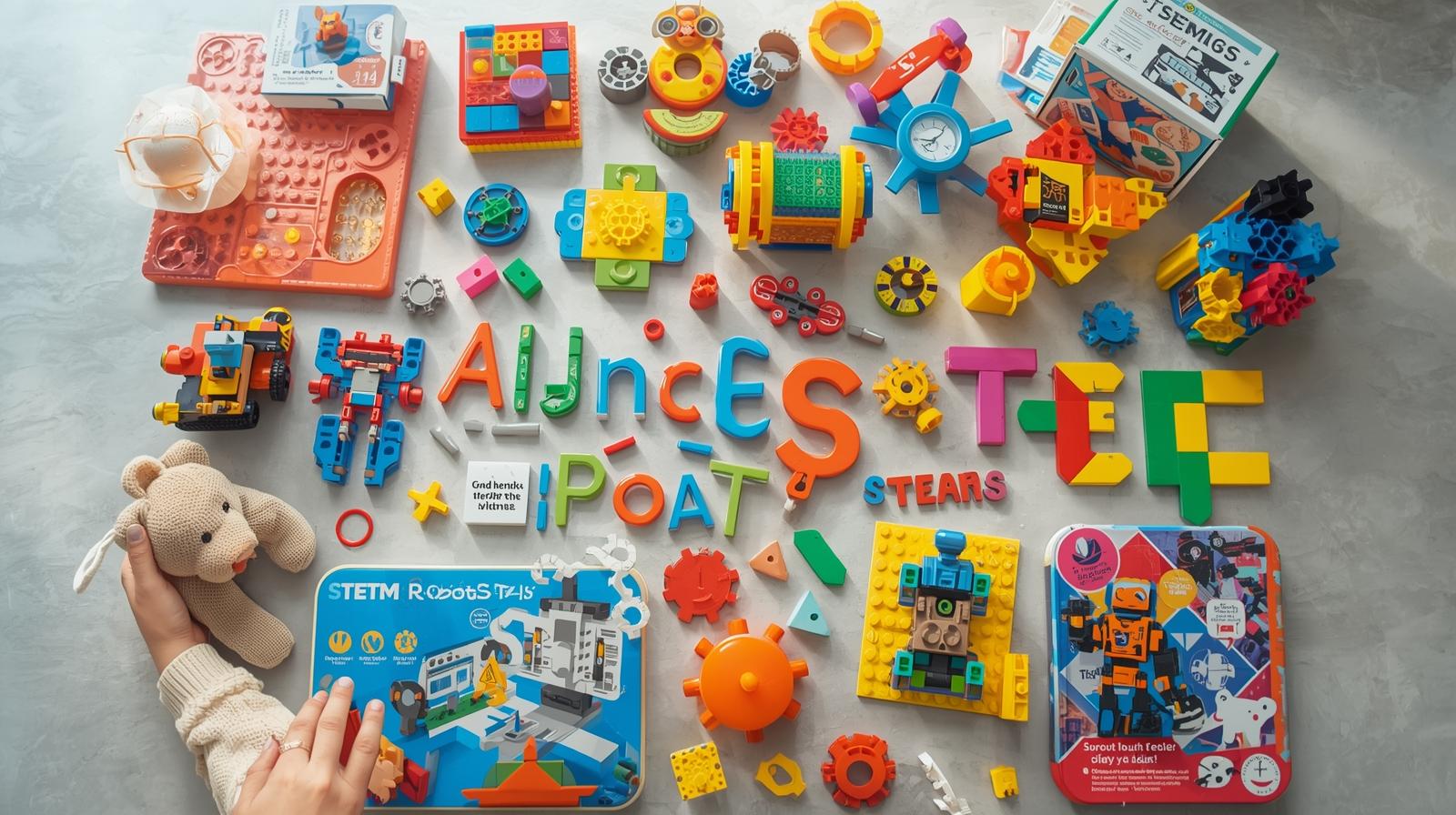
Adding art to STEM play boosts creativity, engagement, and problem-solving. STEAM learning at home can be simple, playful, and powerful.
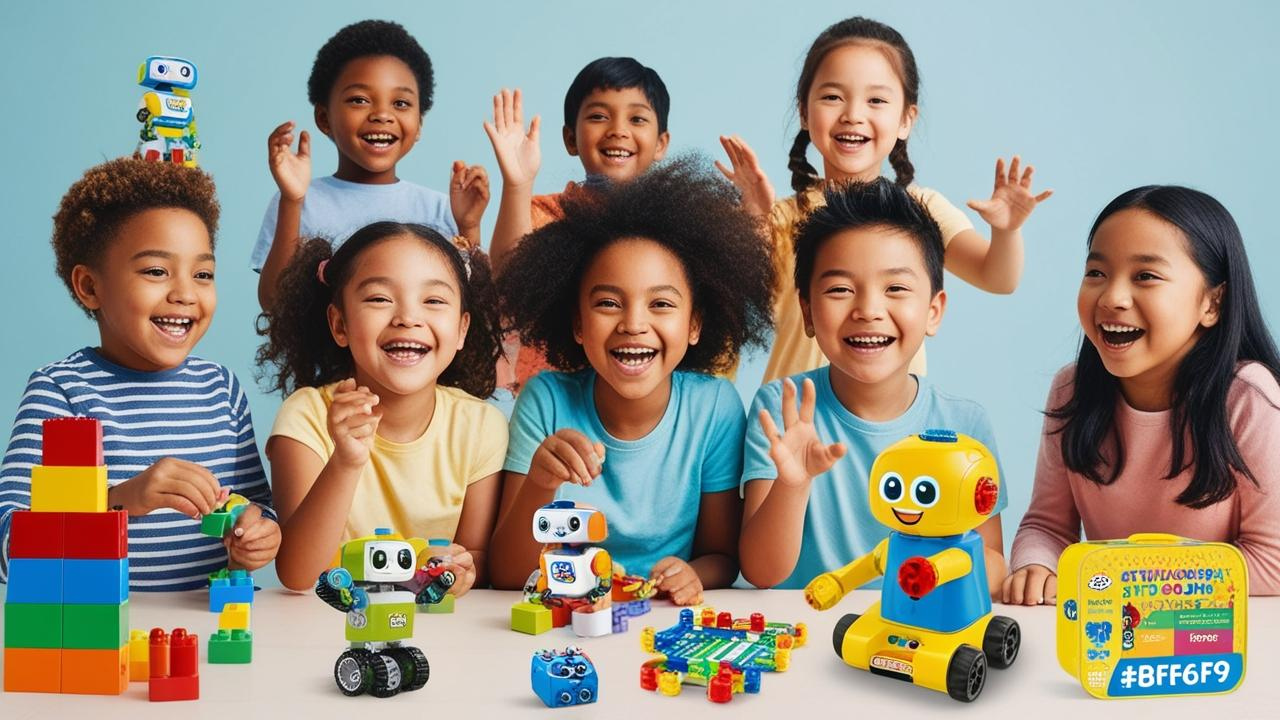
Early STEM play builds confidence, familiarity, and self-belief — helping girls see themselves as capable problem-solvers long before stereotypes take hold.
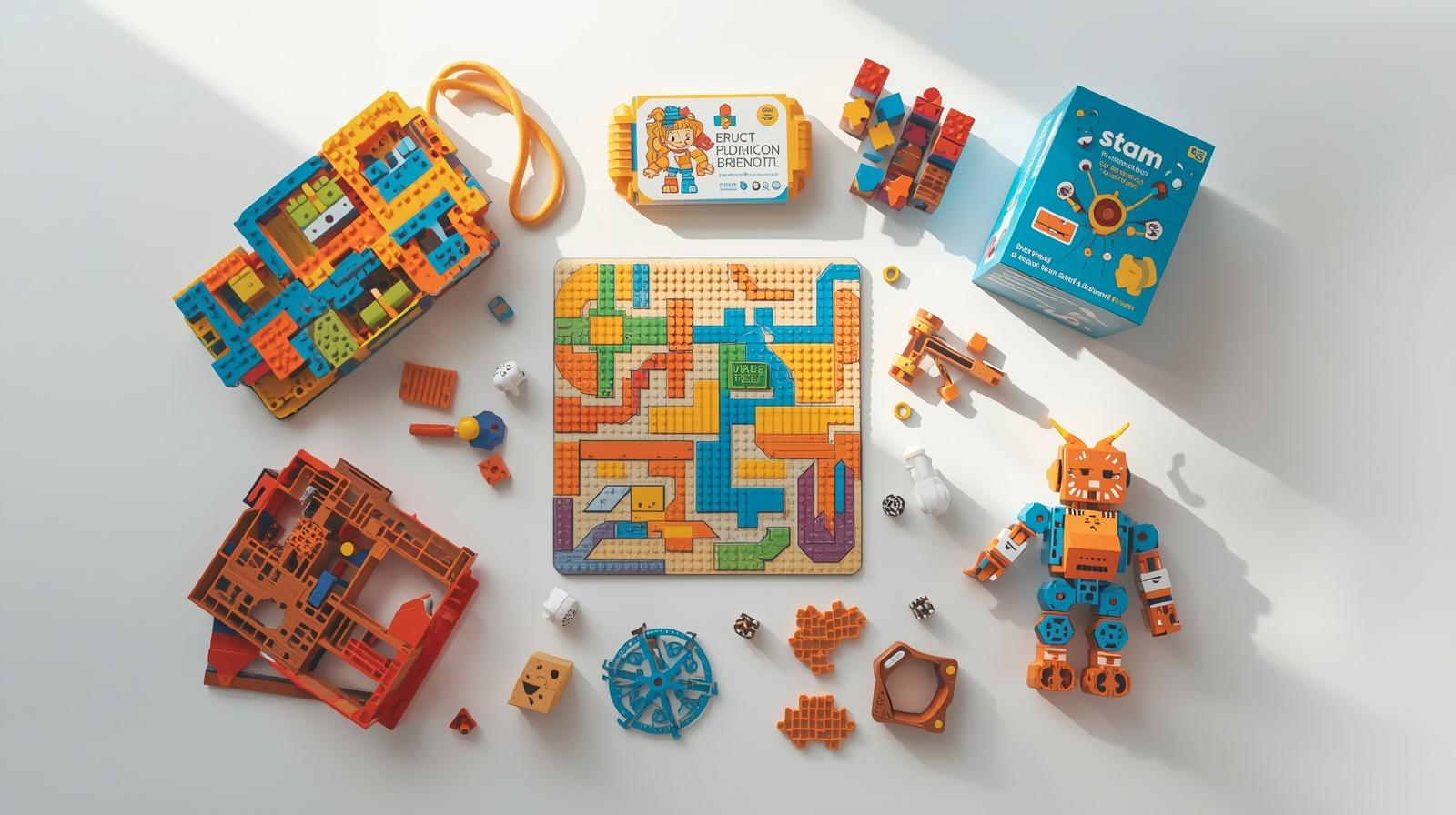
Teachers favor STEM toys that are open-ended, hands-on, durable, and encourage problem-solving — while avoiding flashy, one-use gadgets.
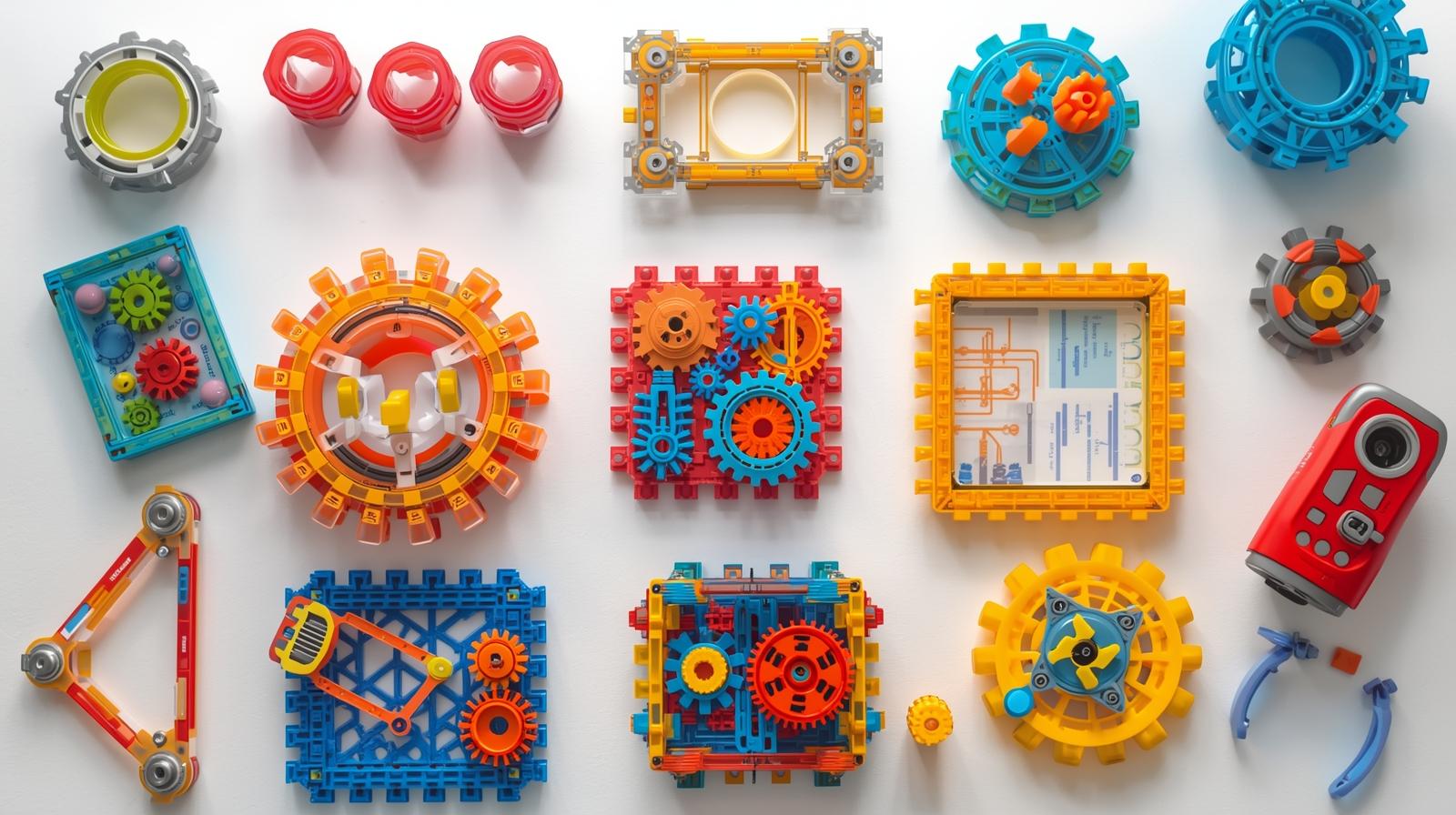
Studies show STEM toys don’t directly teach test material, but they build the problem-solving and reasoning skills that strongly influence academic performance.
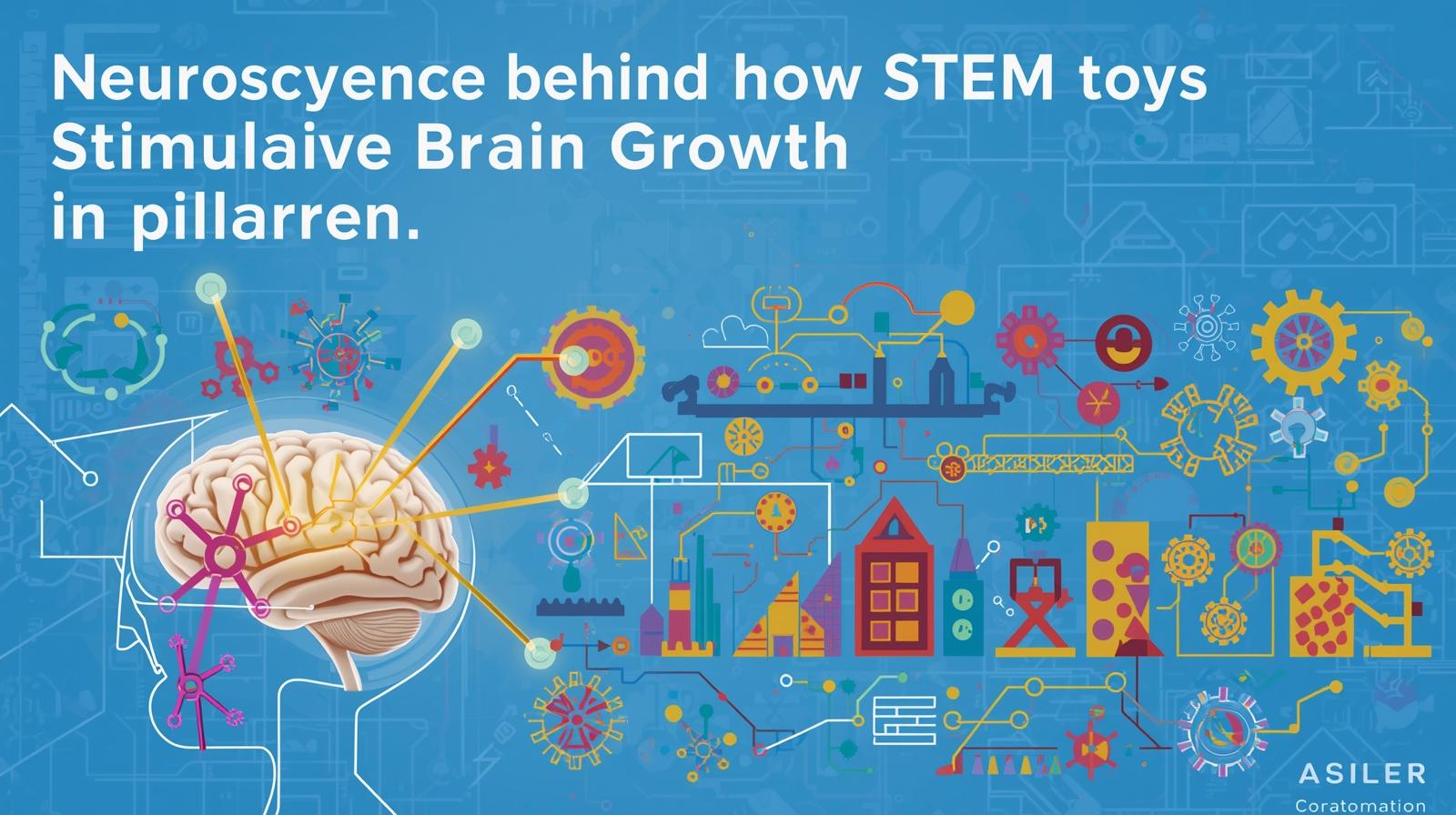
Neuroscience shows that STEM toys strengthen brain connections through hands-on problem-solving, repetition, and curiosity-driven play.
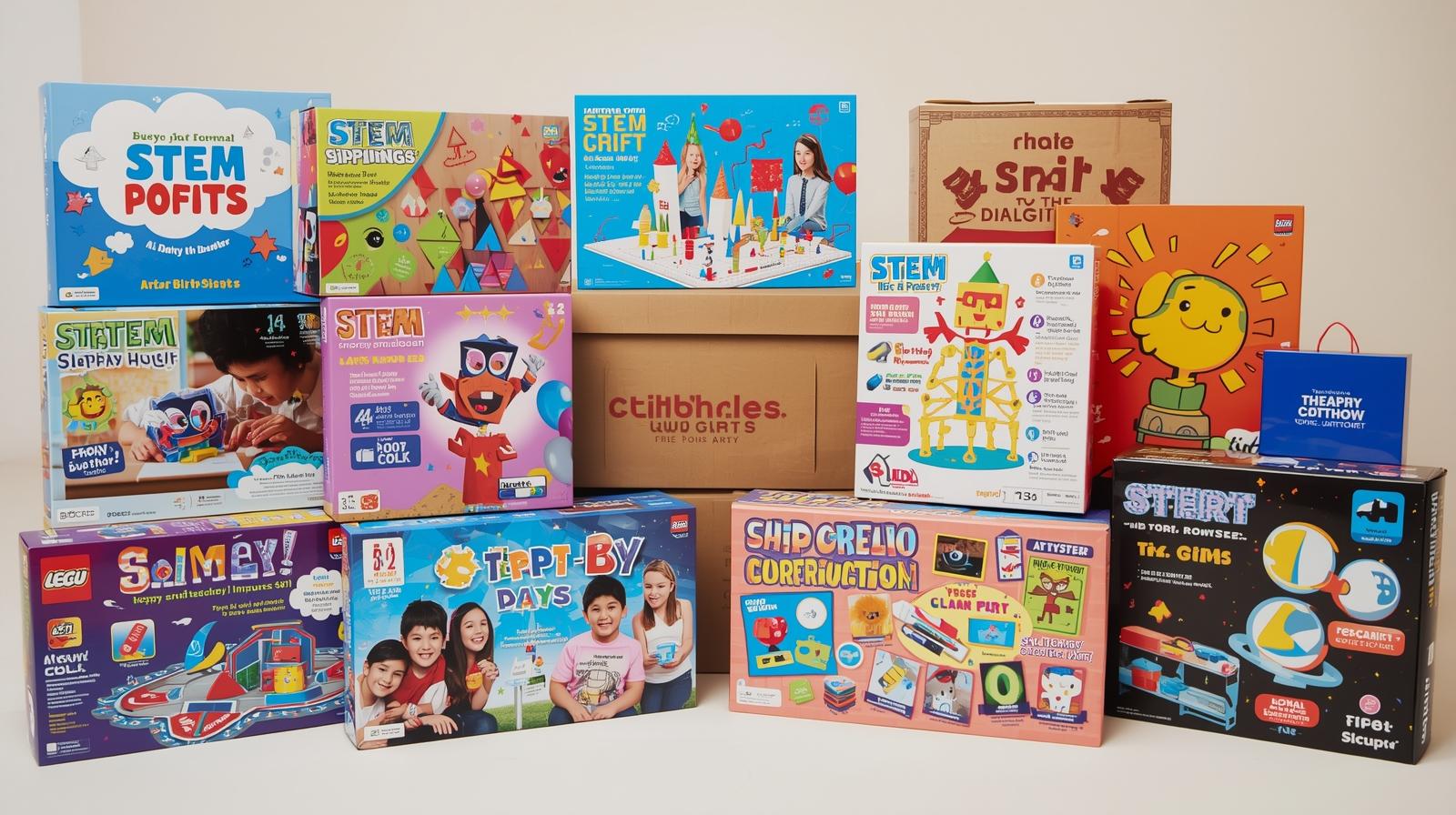
We replaced traditional birthday toys with STEM kits and expected complaints. Instead, we got longer play, happier kids, and zero regrets.
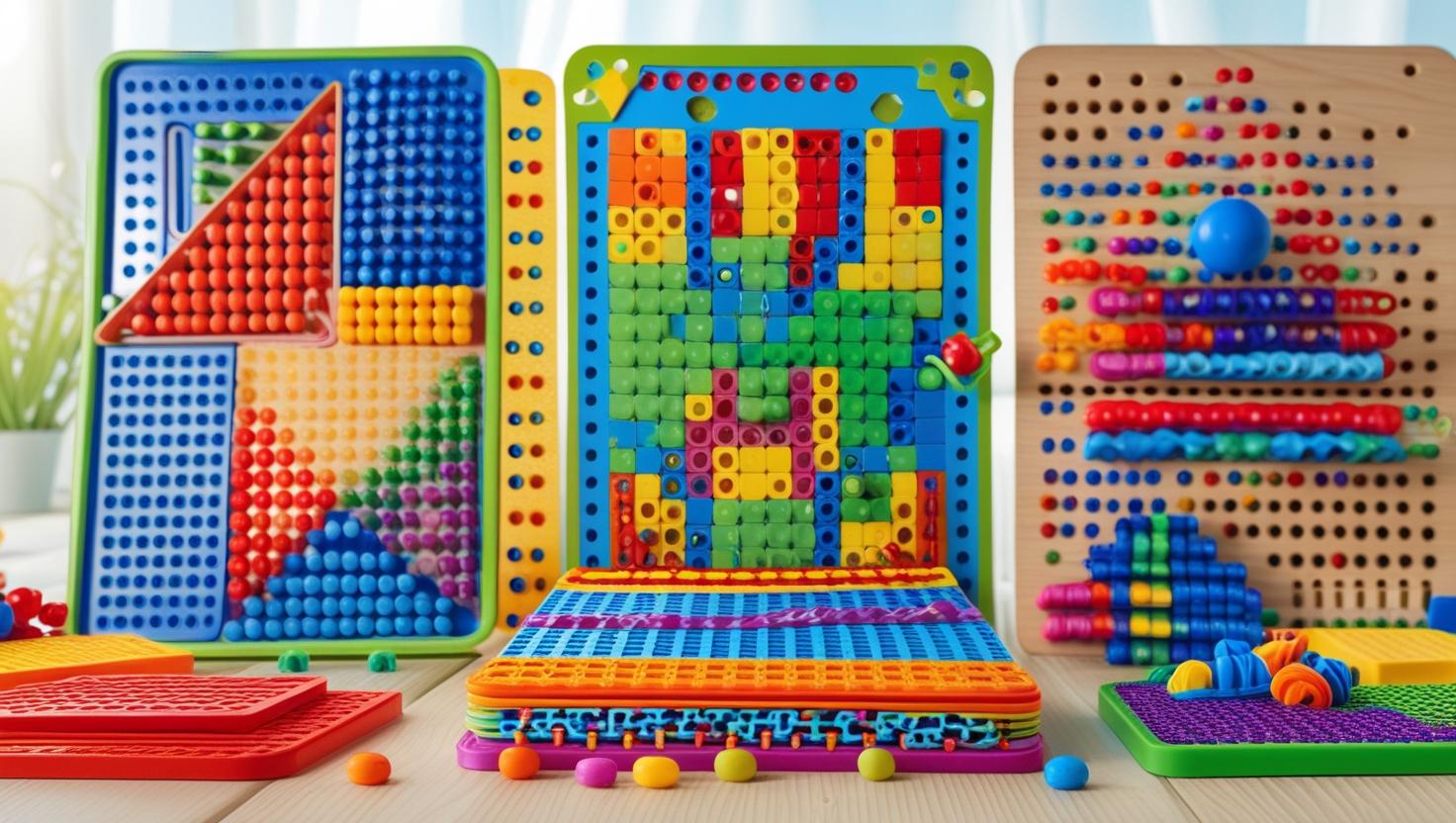
After realizing flashy toys weren’t helping our kids grow, we made a big change. Here’s why we ditched blinking plastic toys and embraced STEM play instead.
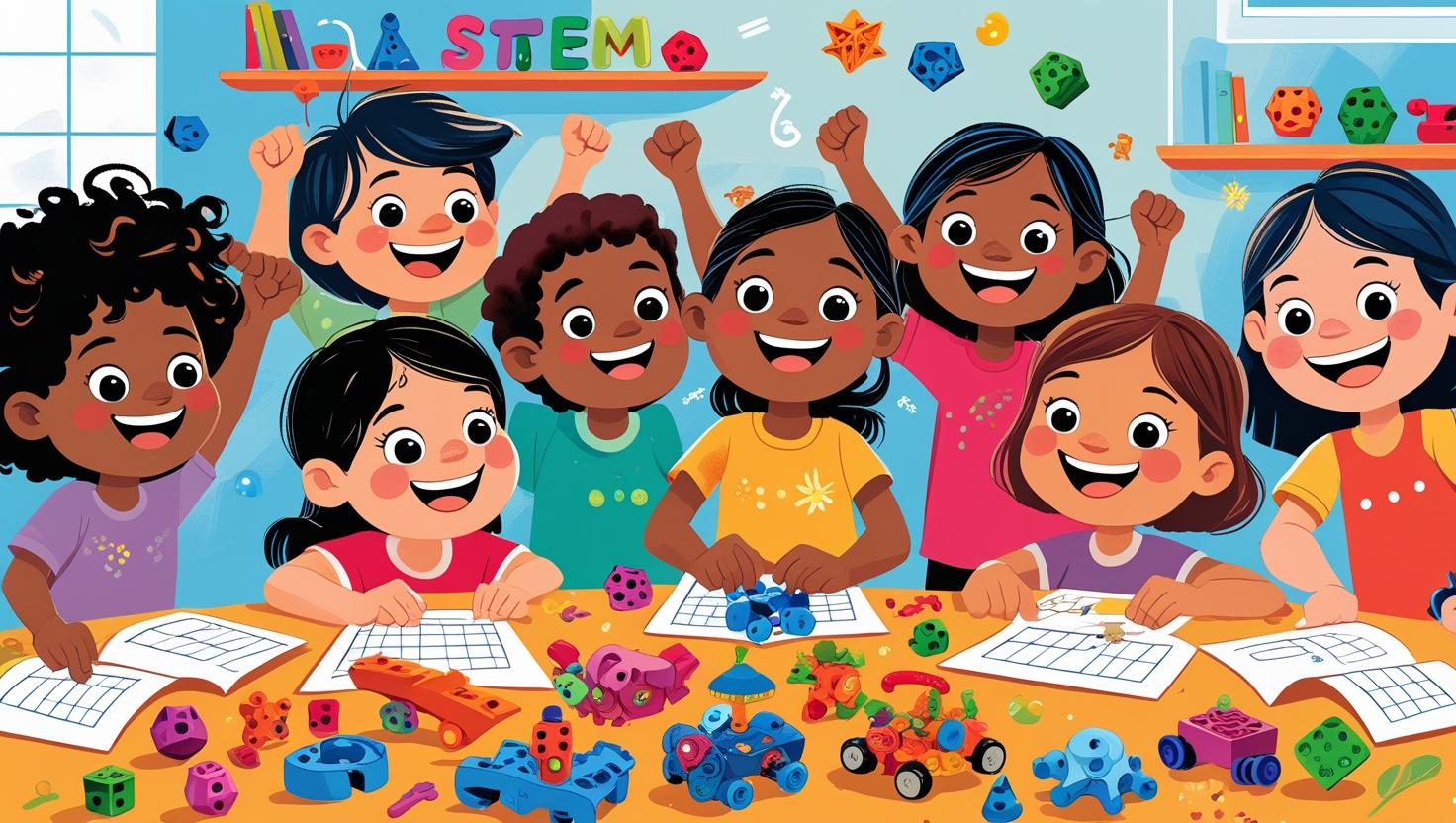
When people talk about STEM toys, they usually focus on numbers, logic, and problem-solving. I used to think the same way. What I didn’t expect was that some of these…
Before buying your first STEM toy, there are key lessons most parents only learn the hard way. This guide shares what truly matters — and what doesn’t.