
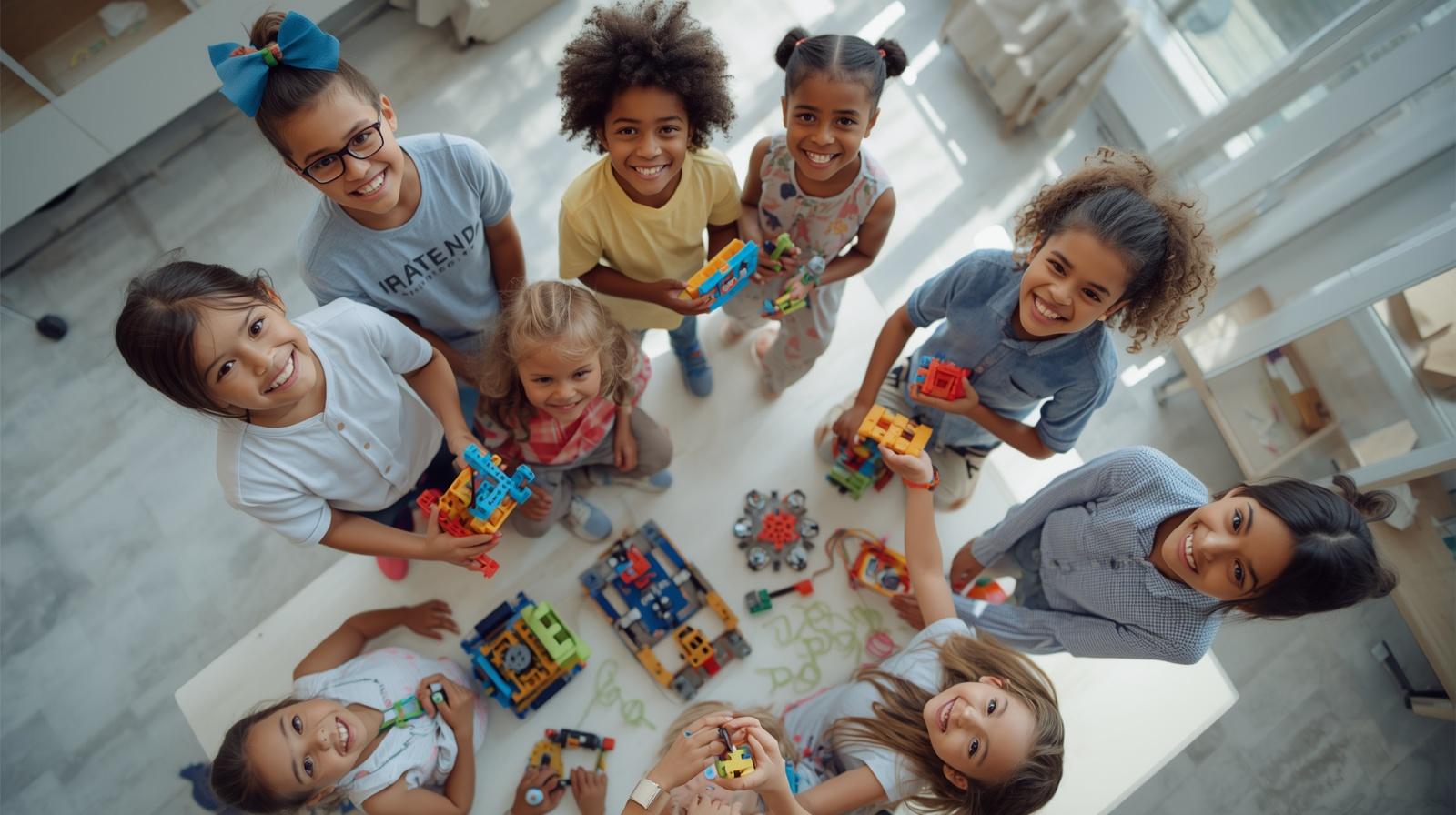
Education is changing—and not slowly.
In 2026, one of the biggest shifts isn’t happening inside classrooms alone.
It’s happening on living room floors.
STEM toys are no longer just “extra” learning tools. They’re becoming a core part of how kids learn, think, and solve problems.
Parents, teachers, and even schools are starting to realize:
Kids don’t just learn by listening.
They learn by doing.
From Passive Learning to Active Learning
Traditional education often focuses on:
- Memorization
- Lectures
- Worksheets
But STEM toys introduce something different:
- Experimentation
- Exploration
- Trial and error
Instead of being told the answer, kids figure it out themselves.
That shift is powerful.
What’s Driving This Change?
Several trends are pushing STEM toys into mainstream education:
- Frustration with traditional learning methods
- Increased focus on problem-solving skills
- Demand for real-world learning
- Reduced attention spans with passive content
Parents want learning that actually works—not just looks good on paper.
STEM Toys That Reflect Modern Learning
These toys align closely with how modern education is evolving.
1. Learning Through Play (Not Pressure)
One of the biggest changes:
Learning is becoming more natural.
With STEM toys:
- Kids don’t feel forced
- There’s less fear of mistakes
- Curiosity drives progress
This leads to deeper understanding.
2. Focus on Skills, Not Just Knowledge
Education is shifting from:
“What do you know?”
To:
“What can you do?”
STEM toys help build:
- Problem-solving
- Critical thinking
- Creativity
- Adaptability
These are skills schools are starting to prioritize.
Real-World Learning Tools Kids Actually Use
These tools simulate real-world thinking.
3. Personalized Learning at Home
Every child learns differently.
STEM toys allow kids to:
- Learn at their own pace
- Explore their own interests
- Repeat activities without pressure
This kind of flexibility is hard to achieve in traditional classrooms.
If your child struggles with attention, this helps:
STEM Toys That Improve Focus and Attention
4. Blending Education with Entertainment
In 2026, learning doesn’t have to feel separate from fun.
The best STEM toys:
- Feel like games
- Encourage curiosity
- Keep kids engaged longer
That’s why kids use them more than traditional study methods.
5. Less Screen, More Hands-On Learning
Even with technology growing, many parents are moving toward:
Screen-free STEM learning
Why:
- Better focus
- Less distraction
- More creativity
If you’re comparing options, read:
Screen-Free vs App-Based STEM Toys
6. Preparing Kids for Future Careers
The future job market is changing fast.
STEM toys introduce concepts like:
- Engineering thinking
- Logical reasoning
- Basic coding
These early experiences build confidence for future learning.
For deeper insight, check:
How STEM Toys Prepare Kids for Future Careers
What Schools Are Starting to Adopt
Many schools are now:
- Introducing STEM labs
- Using hands-on kits
- Encouraging project-based learning
This shows that the shift isn’t just at home—it’s everywhere.
Challenges and Limitations
STEM toys are powerful—but not perfect.
Some challenges include:
- Cost for high-quality kits
- Overwhelming choices
- Misleading marketing
Not every STEM toy delivers real educational value.
A Balanced Approach Works Best
The future of education isn’t about replacing schools.
It’s about combining:
- Traditional learning
- Hands-on play
- Real-world problem-solving
STEM toys fit into that balance.
Final Thoughts
STEM toys are doing more than entertaining kids.
They’re reshaping how learning happens.
In 2026 and beyond, the most effective learning will be:
- Interactive
- Creative
- Hands-on
And in many homes, that transformation has already begun.
FAQ
Are STEM toys replacing traditional education?
No, but they are enhancing and improving how kids learn.
Do STEM toys really improve learning?
Yes, especially in problem-solving and critical thinking.
Are they suitable for all ages?
There are STEM toys designed for every age group.
Should parents rely only on STEM toys?
No—a balanced approach works best.