
AI is everywhere right now.
So it’s no surprise that it’s showing up in kids’ toys too.
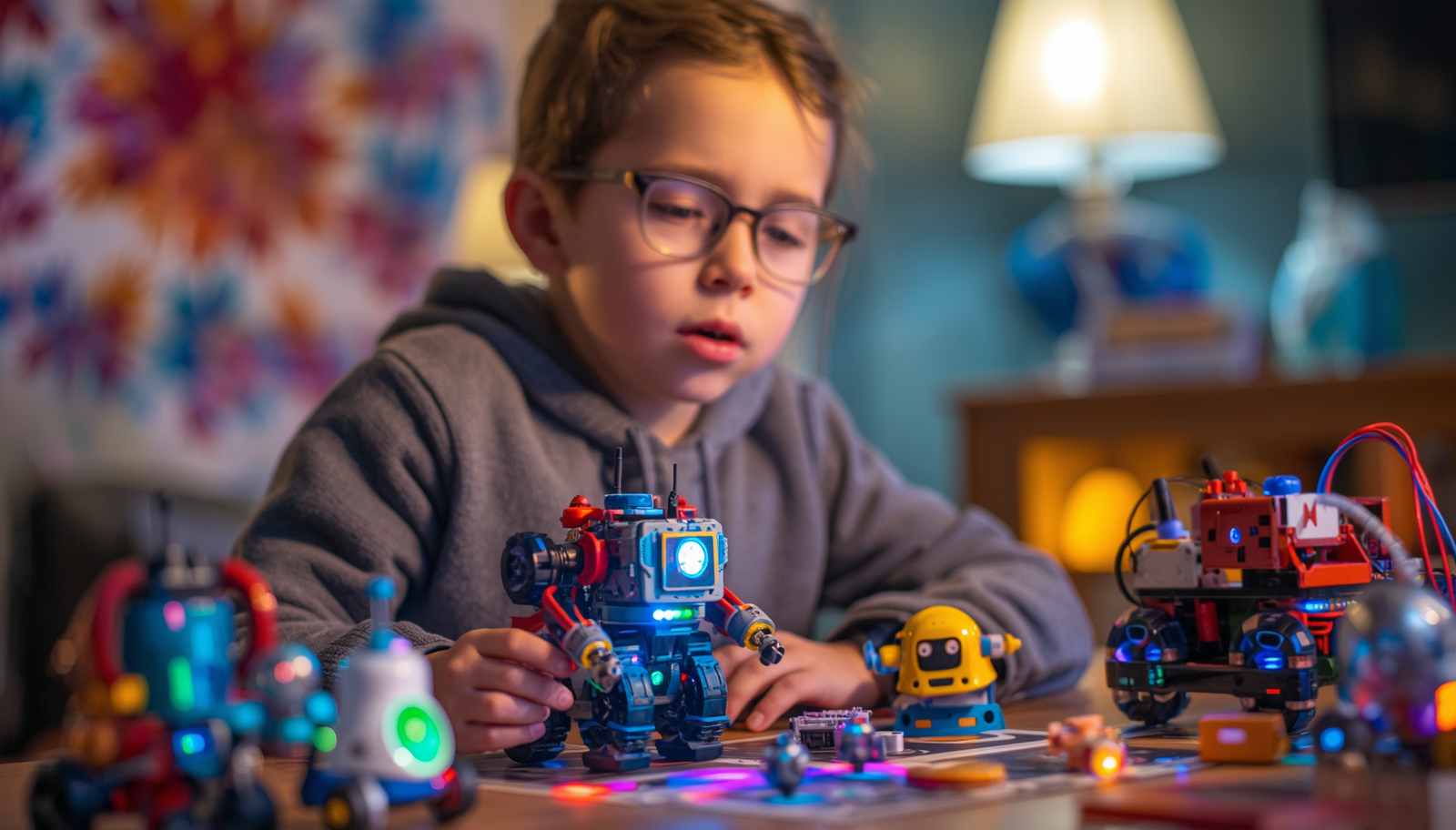
From talking robots to adaptive learning systems, AI-powered STEM toys promise smarter play and faster learning.
But here’s the real question parents are asking:
Do these toys actually help kids learn better… or are they just another tech trend?
This guide breaks it down honestly—so you can decide what’s actually worth your money.
What Are AI-Powered STEM Toys?
AI-powered STEM toys use simple forms of artificial intelligence to:
- Respond to a child’s actions
- Adapt difficulty levels
- Provide feedback or guidance
- Simulate conversation or interaction
Examples include:
- Smart robots that “learn” from input
- Coding toys with adaptive challenges
- Interactive companions that answer questions
Popular Types of AI STEM Toys
These toys combine learning with interactive technology.
The Pros of AI-Powered STEM Toys
1. Personalized Learning
AI toys can adjust based on:
- Skill level
- Speed of learning
- Mistakes and progress
This can help kids stay challenged—but not overwhelmed.
2. High Engagement
Kids often enjoy:
- Talking to toys
- Getting instant feedback
- Interactive responses
This can keep attention longer than traditional toys.
3. Early Exposure to Technology
These toys introduce concepts like:
- Coding logic
- Automation
- Problem-solving
In a fun and approachable way.
If you’re exploring coding toys, this guide helps:
STEM Toys That Teach Real Coding Skills
The Downsides (What Parents Should Know)
1. Less Hands-On Learning
Compared to traditional STEM toys, AI toys often:
- Reduce physical interaction
- Focus more on screens or responses
This can limit creativity.
2. Overstimulation Risk
Some AI toys:
- Talk constantly
- Provide too much feedback
This can overwhelm certain kids—especially those who need calm play.
For calmer alternatives, see:
STEM Toys for Overactive Kids Who Need Calm, Focused Play
3. Shorter Lifespan (Tech Dependency)
AI toys may:
- Become outdated
- Require updates
- Lose compatibility
Unlike classic toys, they don’t always age well.
4. Higher Cost
Many AI-powered toys are:
- More expensive
- Not always better in learning value
Price doesn’t guarantee long-term engagement.
AI vs Traditional STEM Toys
Here’s the key difference:
AI Toys:
- Interactive
- Guided learning
- Tech-focused
Traditional STEM Toys:
- Hands-on
- Creative
- Open-ended
If you’re comparing learning styles, this helps:
Screen-Free vs App-Based STEM Toys
When AI STEM Toys Are Worth It
They make sense if your child:
- Loves technology and gadgets
- Enjoys interactive learning
- Is interested in coding or robotics
- Needs guided instruction
When They’re Not Worth It
You may want to skip them if your child:
- Prefers building and creating
- Gets overstimulated easily
- Loses interest quickly in tech toys
- Needs more hands-on play
Better Alternatives for Long-Term Value
These toys often:
- Last longer
- Encourage creativity
- Provide deeper engagement
Real Parent Insights
Parents often report that AI toys:
- Are exciting at first
- Keep kids engaged short-term
- May lose appeal over time
In contrast, simpler toys tend to:
- Be reused more often
- Support independent creativity
If your child gets bored easily, this may help:
Best STEM Toys for Kids Who Get Bored Easily
A Smart Buying Strategy
If you’re considering AI toys:
- Start with one—not multiple
- Choose age-appropriate models
- Balance with screen-free toys
- Focus on long-term usability
Think of AI toys as a supplement, not a replacement.
Final Thoughts
AI-powered STEM toys are exciting—but they’re not always essential.
They can:
- Enhance learning
- Increase engagement
- Introduce tech concepts early
But they shouldn’t replace:
- Hands-on play
- Creativity
- Exploration
The best approach is balance.
FAQ
Are AI STEM toys good for kids?
Yes, but they work best when combined with hands-on learning.
Do they replace traditional toys?
No—they should complement, not replace them.
Are they worth the price?
Sometimes—but only if your child stays engaged long-term.
What age are they best for?
Usually ages 6+ depending on complexity.