
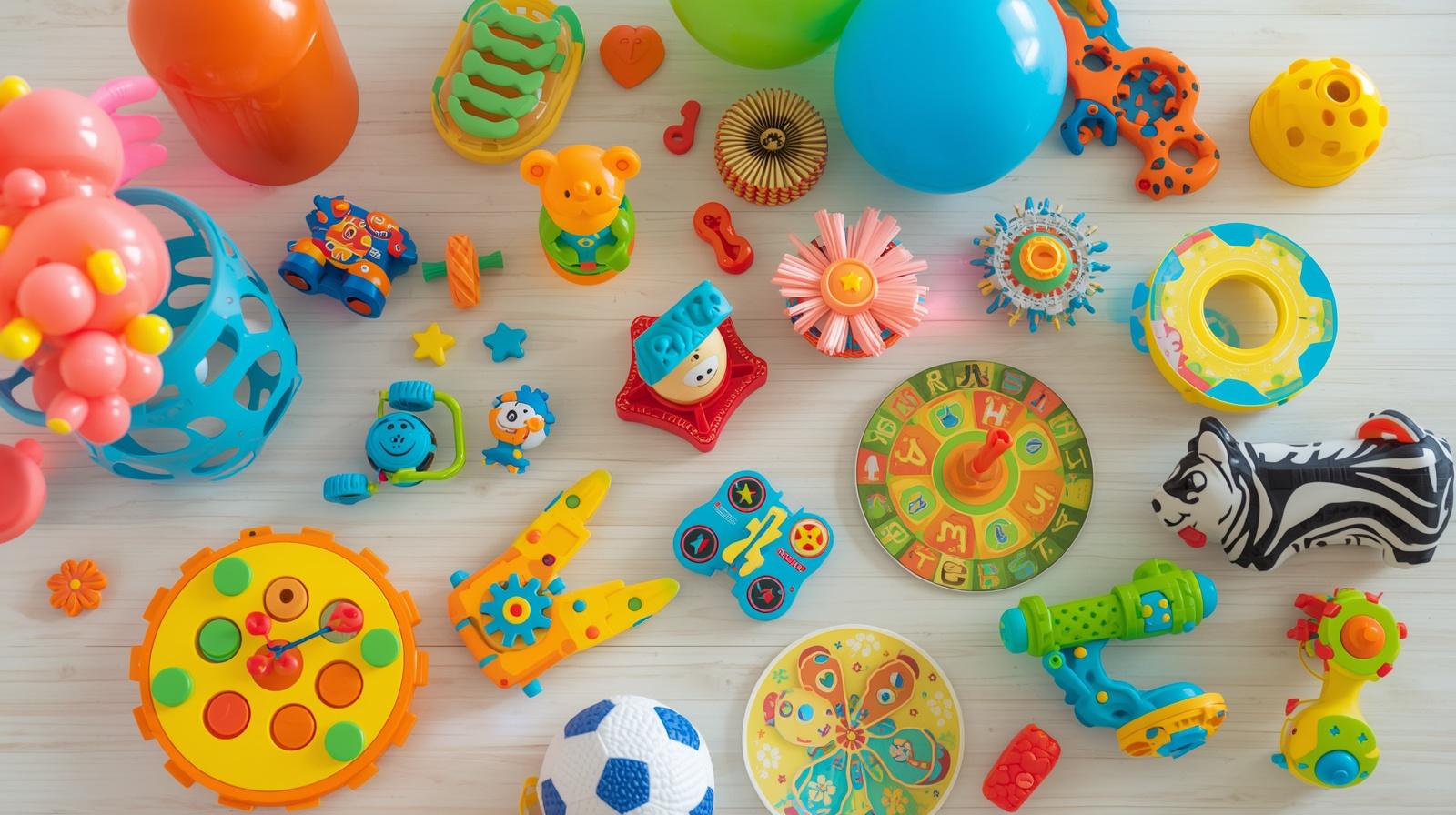
Buying a toy for a 1-year-old sounds easy… until you actually start searching.
Some toys are too loud.
Some are overstimulating.
Some get ignored after one day.
And many “educational” toys don’t really match how one-year-olds learn.
At this age, kids learn through:
- Touching
- Stacking
- Pushing
- Exploring
The best 1st birthday STEM toys support those natural behaviors without overwhelming them.
This guide focuses on toys babies actually continue using—not just toys that look good in gift photos.
What Makes a Good STEM Toy for a 1-Year-Old?
At age one, STEM learning should feel simple and natural.
The best toys encourage:
- Fine motor development
- Cause-and-effect learning
- Sensory exploration
- Early problem-solving
Most importantly:
They should be easy and safe to explore independently.
Best STEM Toys for 1st Birthdays
These types of toys support development while staying fun and reusable.
1. Large Building Blocks
Simple blocks are still one of the best STEM toys for toddlers.
Why?
Because they teach:
- Coordination
- Balance
- Spatial awareness
- Cause and effect
And unlike many electronic toys, kids keep using them as they grow.
2. Stacking and Sorting Toys
These help babies:
- Recognize shapes and sizes
- Develop hand-eye coordination
- Practice early problem-solving
The learning feels completely natural.
If you want more toddler-friendly ideas, check:
STEM Play for One-Year-Old: What’s Worth Buying?
Long-Lasting STEM Toys for Toddlers
These toys often stay useful well beyond age one.
3. Magnetic Building Toys (Toddler-Safe Versions)
Large toddler-safe magnetic toys are becoming very popular because they:
- Encourage creativity
- Support open-ended play
- Grow with the child
Parents also love how reusable they are.
For more ideas, read:
Magnetic Building Blocks That Grow With Your Child
4. Cause-and-Effect Toys
At this age, babies are fascinated by:
“What happens when I do this?”
Toys with:
- Rolling balls
- Simple movement
- Push-and-pop features
Help develop early logical thinking.
What to Avoid for a 1st Birthday
Many toys marketed for toddlers are actually poor choices.
Avoid:
- Toys with tiny pieces
- Overly loud electronics
- Flashy toys with limited interaction
- Complex app-based toys
Simple is usually better.
Why Screen-Free Toys Work Best at This Age
One-year-olds learn best through physical interaction.
Screen-free STEM toys:
- Improve focus
- Encourage movement
- Support sensory development
If you’re comparing options, this guide helps:
Screen-Free vs App-Based STEM Toys
Real Parent Observations
Parents often notice that the best toddler STEM toys:
- Get used daily
- Stay interesting longer
- Work across multiple stages of development
If your child gets bored quickly, this may help:
Best STEM Toys for Kids Who Get Bored Easily
A Simple Buying Tip
When buying for a 1st birthday, ask:
“Can this toy still be useful six months from now?”
The best STEM toys grow with the child instead of becoming useless quickly.
Final Thoughts
The best STEM toys for 1-year-olds don’t need to be flashy or complicated.
At this age, the most valuable toys are:
- Safe
- Open-ended
- Hands-on
- Reusable
Simple toys often create the best learning experiences.
And the toys kids actually use?
They’re usually the ones that let them explore freely.
FAQ
Are STEM toys good for 1-year-olds?
Yes, especially toys focused on sensory play, stacking, and exploration.
What types work best?
Blocks, sorting toys, and simple cause-and-effect toys.
Should I avoid electronic toys?
In many cases, yes—simple hands-on toys are usually more effective.
What makes a toy “STEM” for toddlers?
Toys that encourage exploration, movement, problem-solving, and discovery.