
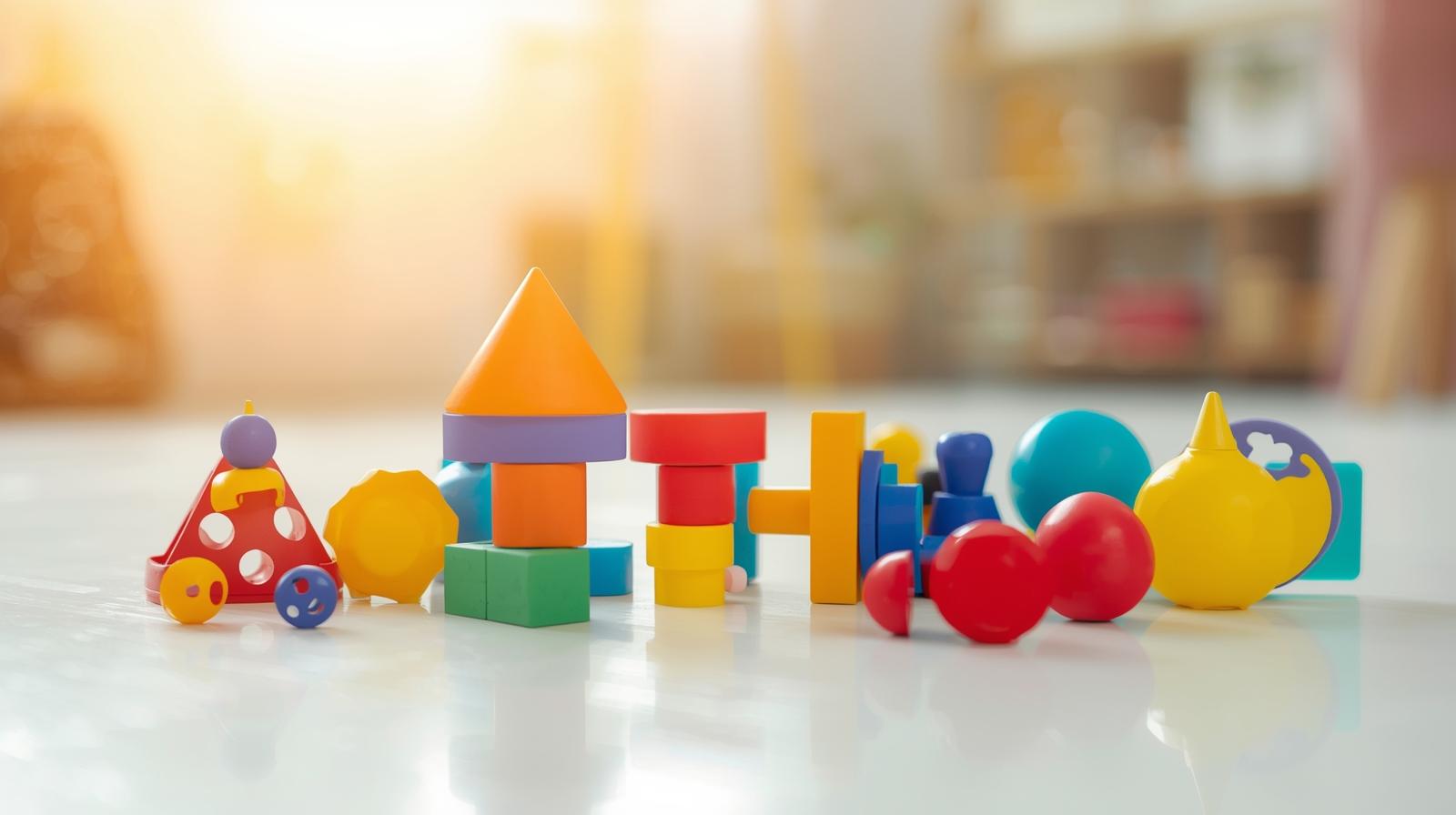
When I bought my first STEM toy, I thought I was doing everything right.
The box promised learning.
The reviews were glowing.
The price wasn’t cheap — so it must be good, right?
But within days, the toy was collecting dust.
That experience taught me more about choosing STEM toys than any product description ever could. Here’s what I genuinely wish I had known before that first purchase.
STEM Doesn’t Automatically Mean Educational
One of the biggest misconceptions is that every STEM-labeled toy delivers real learning.
Some toys use the label purely as marketing. They might flash lights, make sounds, or look impressive — but offer very little problem-solving or thinking.
Real STEM toys require kids to do something meaningful: build, test, plan, or figure things out.
Age Recommendations Are Often Misleading
I trusted the age range on the box. That was a mistake.
Some toys labeled for younger kids were too advanced and frustrating. Others claimed to challenge older kids but were mastered in minutes.
What matters more than age is developmental readiness — attention span, fine motor skills, and curiosity level.
Expensive Doesn’t Always Mean Better
My first instinct was to assume higher price meant higher quality.
In reality, some of the most engaging STEM toys are surprisingly simple. Meanwhile, expensive kits can overwhelm kids with too many pieces and instructions.
A well-designed $25 toy often beats a $100 one that’s too complex to enjoy.
One-Size-Fits-All STEM Toys Rarely Work
I learned quickly that kids learn differently.
Some love building.
Some enjoy experimenting.
Others prefer puzzles or logic games.
Buying a toy that doesn’t match your child’s learning style usually leads to frustration — not learning.
Open-Ended Play Matters More Than Instructions
Toys with strict, step-by-step outcomes often lose their appeal fast.
The best STEM toys allow kids to explore freely, make mistakes, and invent their own challenges. These toys grow with the child instead of being “finished” once.
Frustration Is Not a Failure
At first, I worried when my child struggled.
Now I see it differently.
That frustration was learning happening in real time. The problem wasn’t the challenge — it was my instinct to step in too quickly.
Some struggle is healthy and necessary.
Screen-Free Doesn’t Mean Boring
I used to believe STEM toys without screens wouldn’t hold attention.
That couldn’t have been more wrong.
Hands-on toys often lead to longer, deeper play sessions because kids aren’t overstimulated. They stay focused instead of zoning out.
Storage and Setup Actually Matter
This is something no one talks about.
If a toy takes too long to set up or clean up, it gets used less — no matter how educational it is.
Simple storage solutions and quick access make a huge difference in how often a toy is used.
The Best STEM Toys Encourage Repetition
I expected novelty.
What I should have expected was repetition.
Great STEM toys invite kids back again and again, each time learning something new. If a toy only feels fun once, it’s not doing its job.
What I’d Do Differently Now
If I were buying my first STEM toy today, I would:
- Focus on problem-solving over features
- Match the toy to my child’s interests
- Choose open-ended designs
- Ignore hype and flashy packaging
- Start simple and build up
Final Thoughts
Buying STEM toys isn’t about chasing the “best” product.
It’s about choosing tools that invite curiosity, patience, and thinking.
I didn’t get it right the first time — but that mistake helped me understand what truly matters. And now, every STEM toy we bring home actually earns its place.