
“This post contains Amazon affiliate links. As an Amazon Associate, I earn from qualifying purchases at no extra cost to you.”
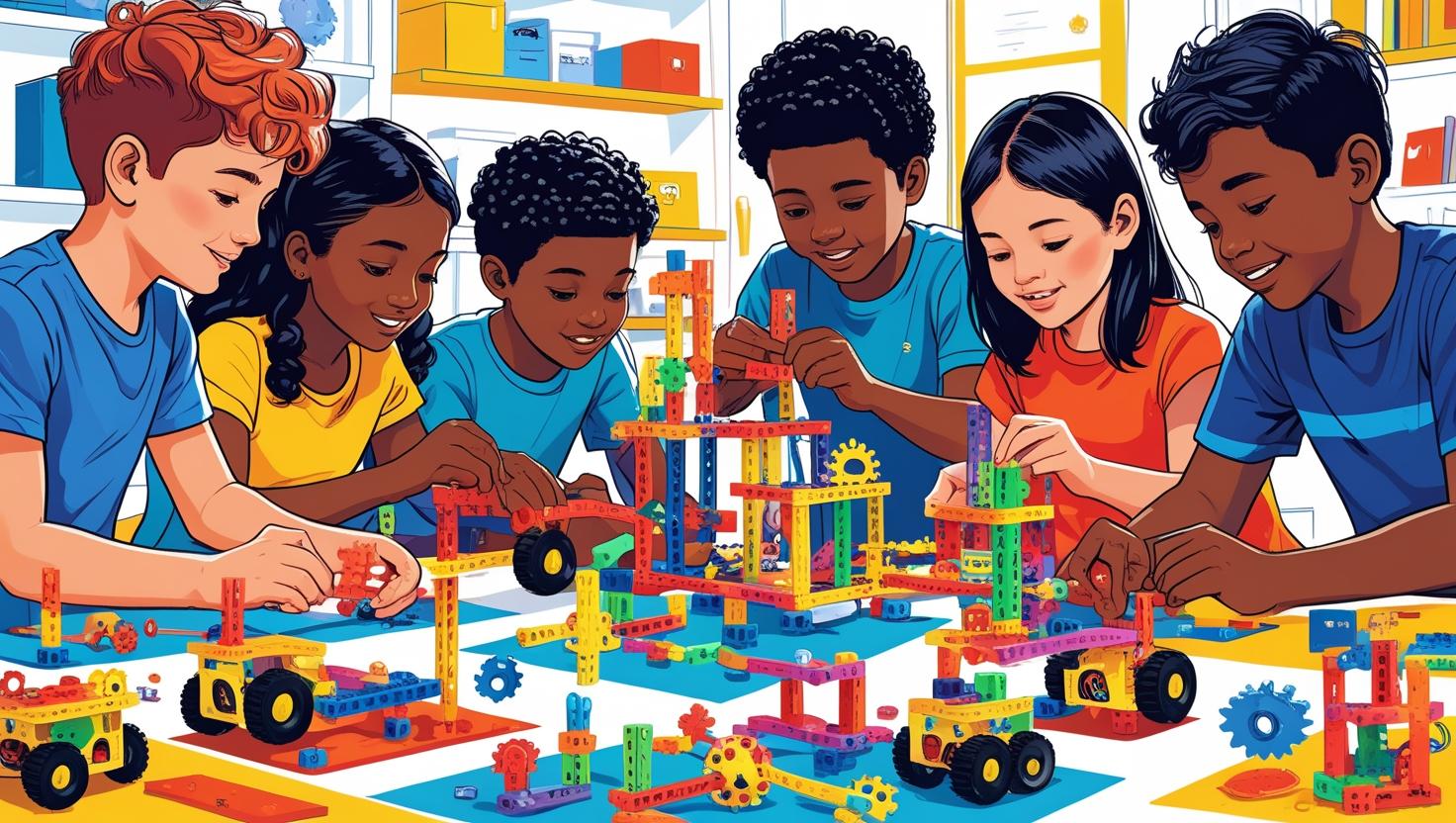
If your middle schooler groans at worksheets but lights up when something needs to be built, tested, or taken apart, you’re not alone. Many kids at this age are curious and capable — they just don’t connect with traditional, paper-based learning.
That’s where STEM kits shine.
Instead of memorizing formulas or filling in blanks, STEM kits turn learning into action. Kids build, experiment, fail, troubleshoot, and try again — often without realizing how much they’re learning along the way.
Why STEM Kits Work for Worksheet-Averse Learners
Middle school students learn best when concepts feel real and relevant. STEM kits succeed because they:
- Replace passive learning with hands-on exploration
- Encourage problem-solving instead of memorization
- Allow mistakes without penalties
- Provide visible results and a sense of accomplishment
- Connect learning to real-world applications
For kids who resist worksheets, this approach can be a game-changer.
Robotics Starter Kits
Robotics kits combine engineering, logic, and coding in a way that feels like play rather than schoolwork. Kids build real robots, program movements, and solve challenges through experimentation instead of written instructions.
These kits naturally introduce sequencing, debugging, and design thinking — all without multiple-choice questions.
Skills developed:
- Engineering and mechanical reasoning
- Coding logic and sequencing
- Persistence and problem-solving
Recommended product:
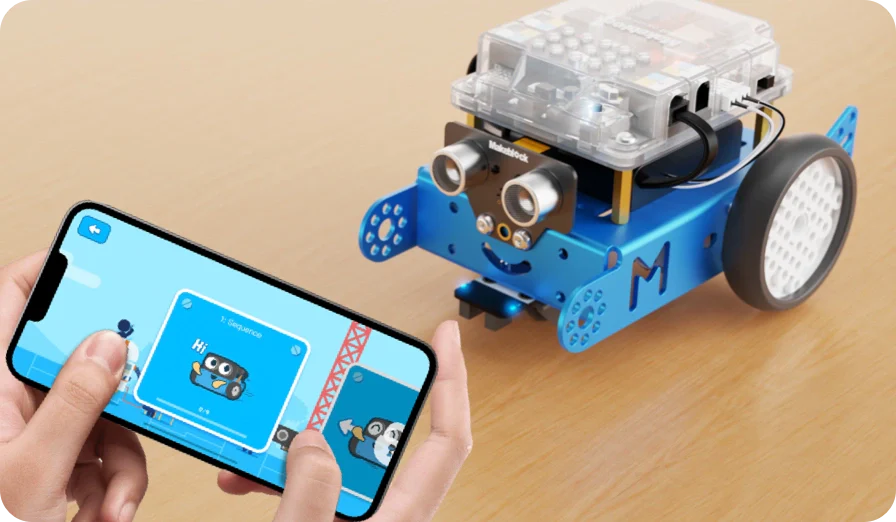
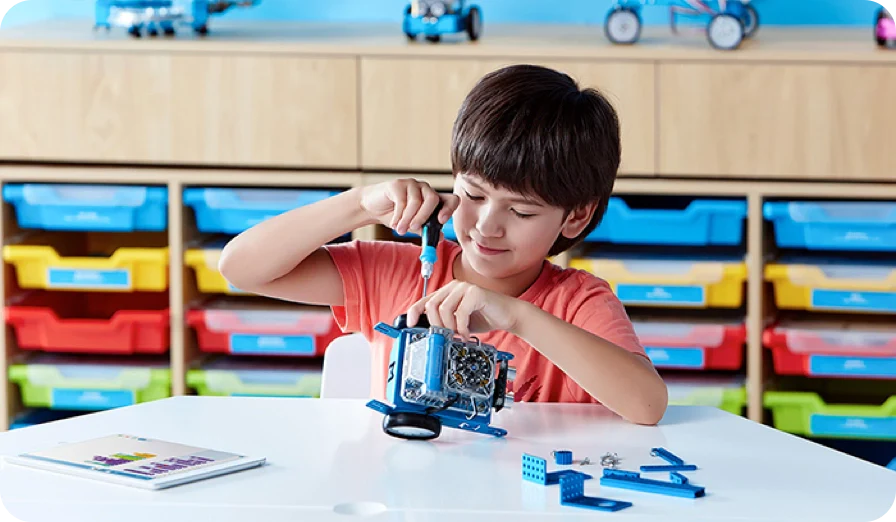
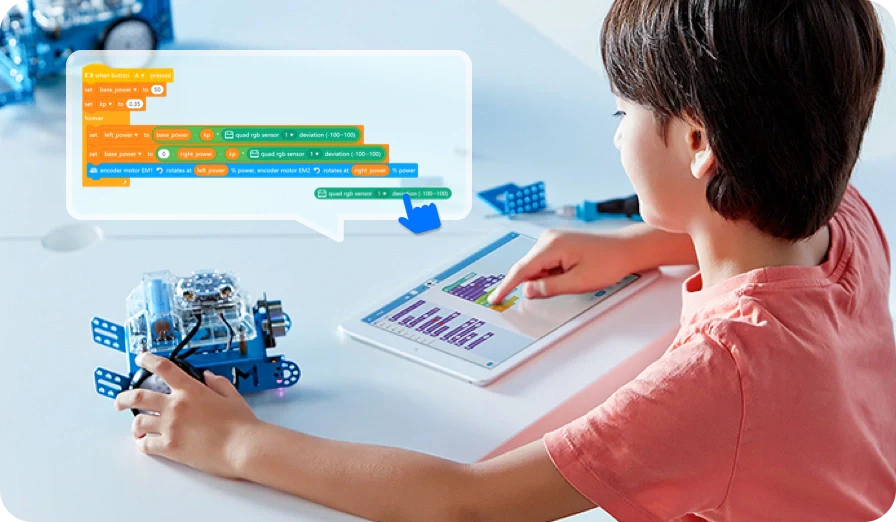
Makeblock mBot Robot Kit
A highly rated beginner robotics kit that lets kids build and program a real robot using Scratch or Arduino-based coding. It’s approachable for beginners but flexible enough to grow with a child’s skills, making it ideal for middle schoolers who prefer hands-on learning.
Electronics and Circuit Kits
Electronics and circuit kits give kids hands-on access to real electrical components. Instead of reading about current or voltage, they see it happen — lights turn on, motors spin, and alarms sound.
These kits allow kids to build circuits through trial and error, helping them understand how systems work and why failures happen.
Skills developed:
- Electrical engineering fundamentals
- Cause and effect understanding
- Logical and systematic reasoning
Recommended product:
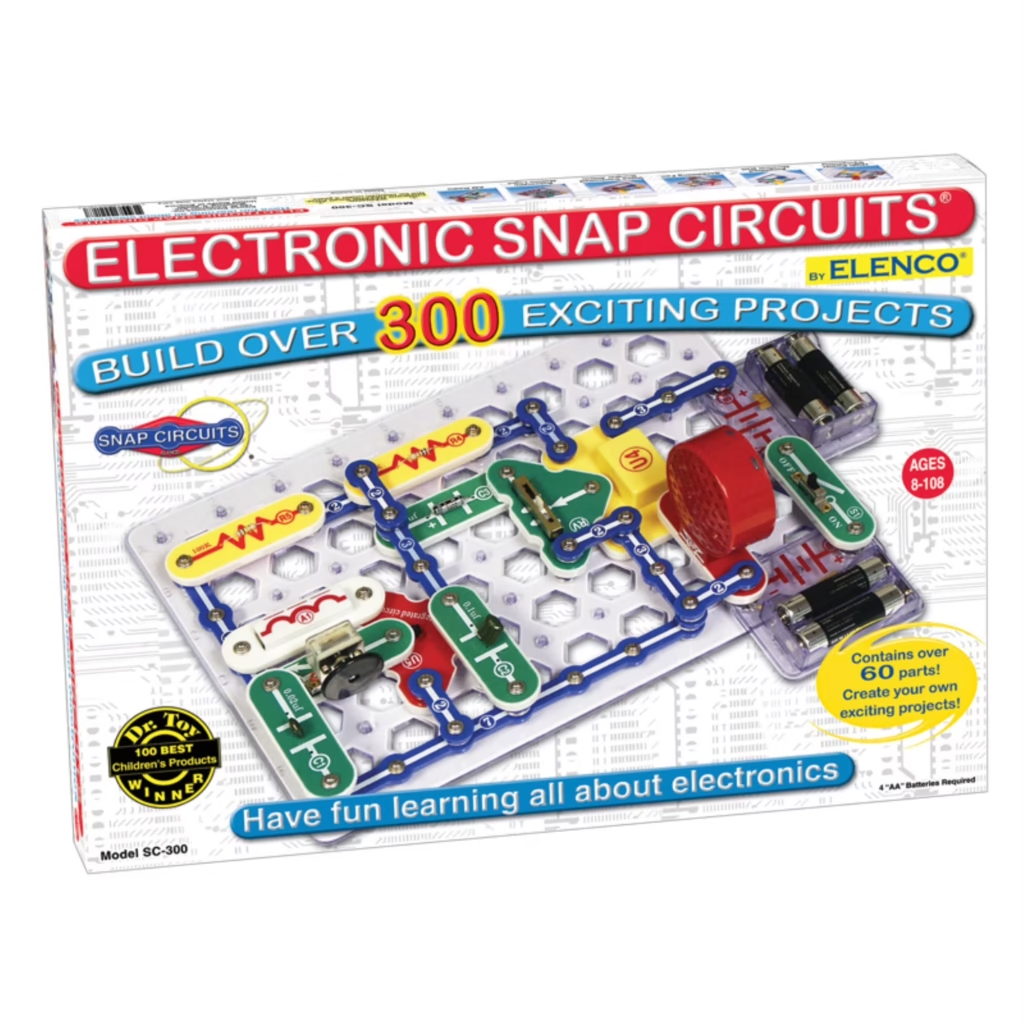
Snap Circuits Classic SC-300 Electronics Exploration Kit
One of the most trusted electronics kits available, with over 300 projects using real components. No soldering or screens required. Kids learn by experimenting, making it perfect for learners who struggle with textbook-style instruction.
Coding and Microcontroller Kits
Coding kits that use physical components help kids understand programming as a tool, not an abstract concept. Instead of typing lines of code on a screen, kids see their programs control sensors, motors, and lights.
This hands-on feedback keeps kids engaged and motivated.
Skills developed:
- Programming logic
- Computational thinking
- Systems understanding
Recommended product:
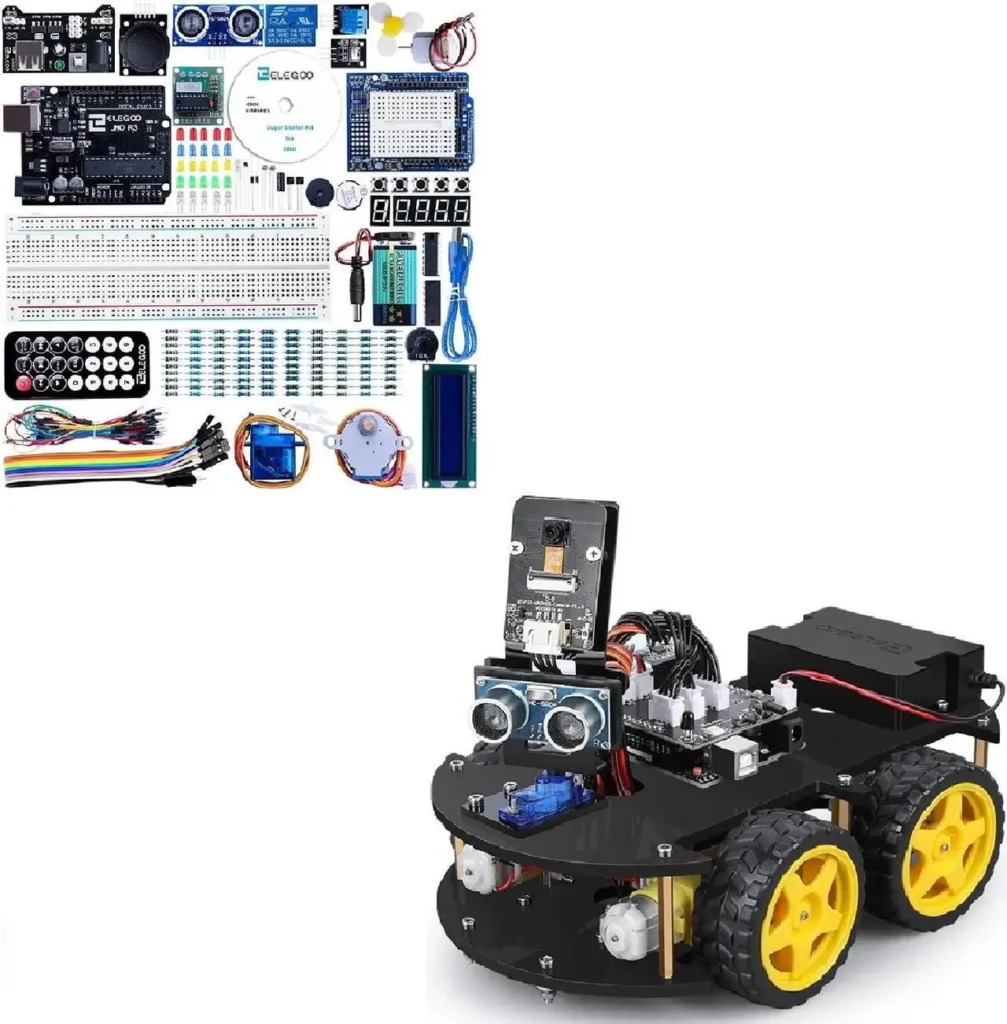
ELEGOO UNO R3 Smart Robot Car Kit
A well-reviewed Arduino-compatible kit that teaches coding, electronics, and robotics together. Kids build and program a smart robot that reacts to its environment, making coding feel purposeful and exciting.
3D Printing and Design Kits
3D printing kits allow kids to design objects digitally, print them, test functionality, and refine their designs. This process teaches engineering, geometry, and creative problem-solving without relying on worksheets.
Seeing an idea become a physical object is incredibly motivating for middle schoolers.
Skills developed:
- Spatial reasoning
- Design iteration
- Measurement and geometry
Recommended product:
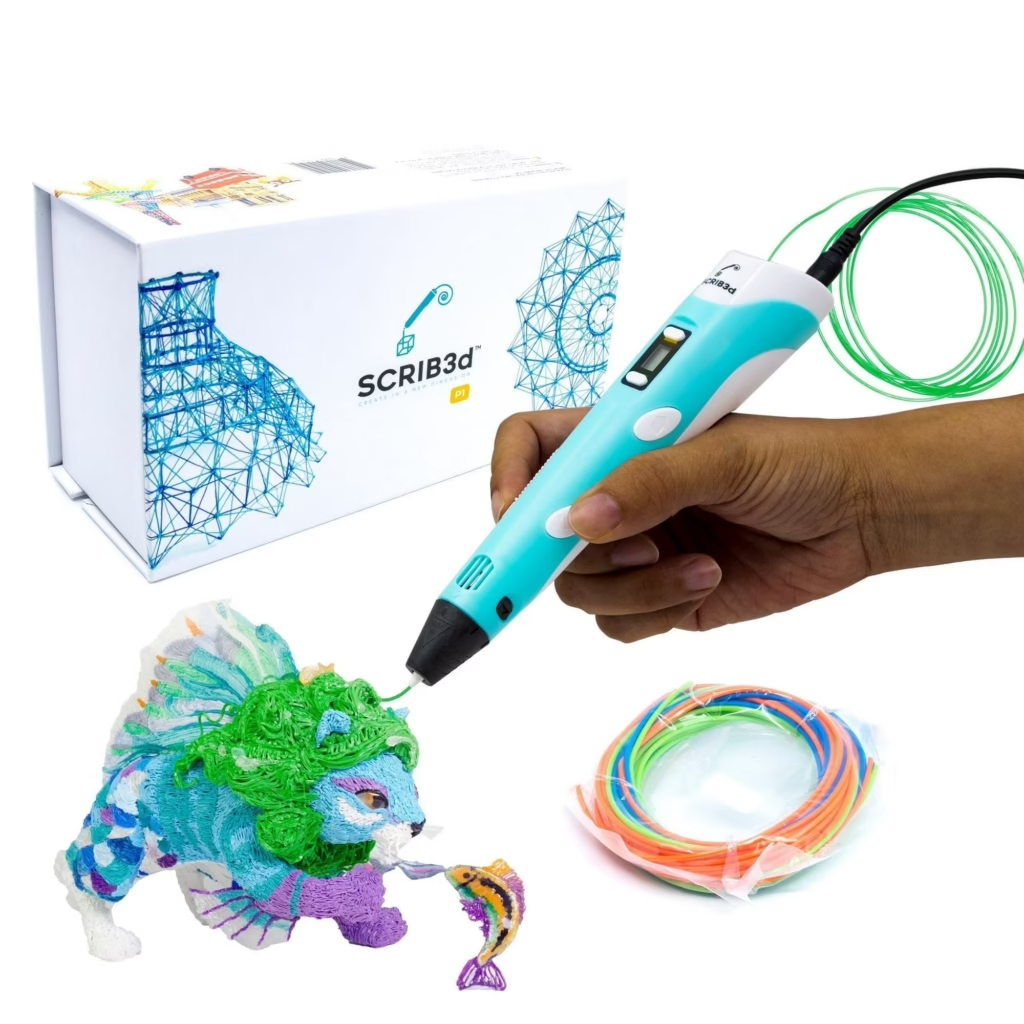
SCRIB3D P1 3D Printing Pen with 3 Starter Colors
Beginner-friendly 3D printers paired with free design software like Tinkercad allow kids to create real-world objects while learning engineering principles through hands-on experimentation.
DIY Science Lab Kits
Science lab kits bring chemistry and physics to life through real experiments. Instead of reading about reactions or forces, kids perform them — observing results firsthand.
These kits often include a “wow factor” that sparks curiosity and keeps kids engaged.
Skills developed:
- Scientific observation
- Hypothesis testing
- Analytical thinking
Recommended product:
Doctor Jupiter Ultimate Science Kit
A highly rated science kit offering 135+ experiments across chemistry and physics. It encourages exploration, curiosity, and hands-on learning while remaining safe and age-appropriate.

Engineering Challenge Kits
Engineering challenge kits focus on building structures, solving physical problems, and optimizing designs. Kids apply math and physics naturally while building bridges, marble runs, or mechanical systems.
Learning happens through experimentation, not instruction.
Skills developed:
- Structural and mechanical reasoning
- Applied mathematics
- Strategic planning
Recommended product:
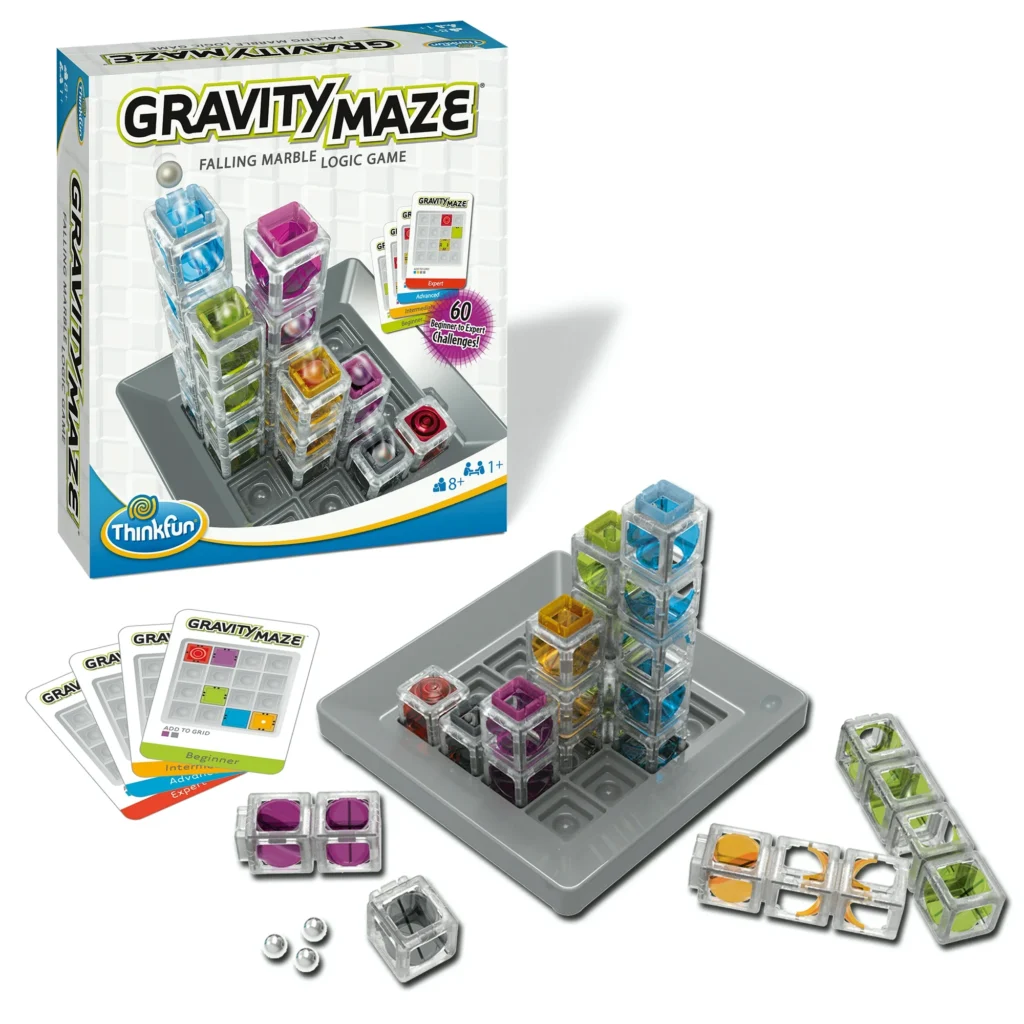
ThinkFun Gravity Maze Marble Run
A logic-based engineering game that challenges kids to design functional marble paths. It strengthens spatial reasoning and problem-solving while feeling more like a puzzle than a lesson.
Tips for Parents and Teachers
To get the most out of STEM kits:
- Let kids take the lead, even if progress looks messy
- Avoid fixing problems too quickly
- Encourage discussion instead of written reports
- Allow kids to document projects with photos or videos
- Connect projects to their personal interests
When kids feel ownership, engagement increases dramatically.
What to Avoid When Choosing STEM Kits
- Kits that are overly scripted with only one correct outcome
- Projects that feel like worksheets in disguise
- One-time builds with no replay value
- Excessive reading before hands-on activity
If it feels like homework, kids will treat it like homework.
Why STEM Kits Matter More Than Worksheets
Worksheets test memory. STEM kits build thinkers.
For middle schoolers who hate worksheets, hands-on STEM learning restores confidence, curiosity, and motivation. These kits help kids develop skills that matter far beyond school — creativity, persistence, and problem-solving.
And sometimes, all it takes is one great kit to change how a child feels about learning.