
Top 10 STEM Toys That Improve Focus and Attention (Ages 5–10)
Discover the top 10 STEM toys that improve focus and attention for kids ages 5–10. Detailed reviews, benefits, and expert tips to help your child build stronger concentration skills.
Discover the top 10 STEM toys that improve focus and attention for kids ages 5–10. Detailed reviews, benefits, and expert tips to help your child build stronger concentration skills.
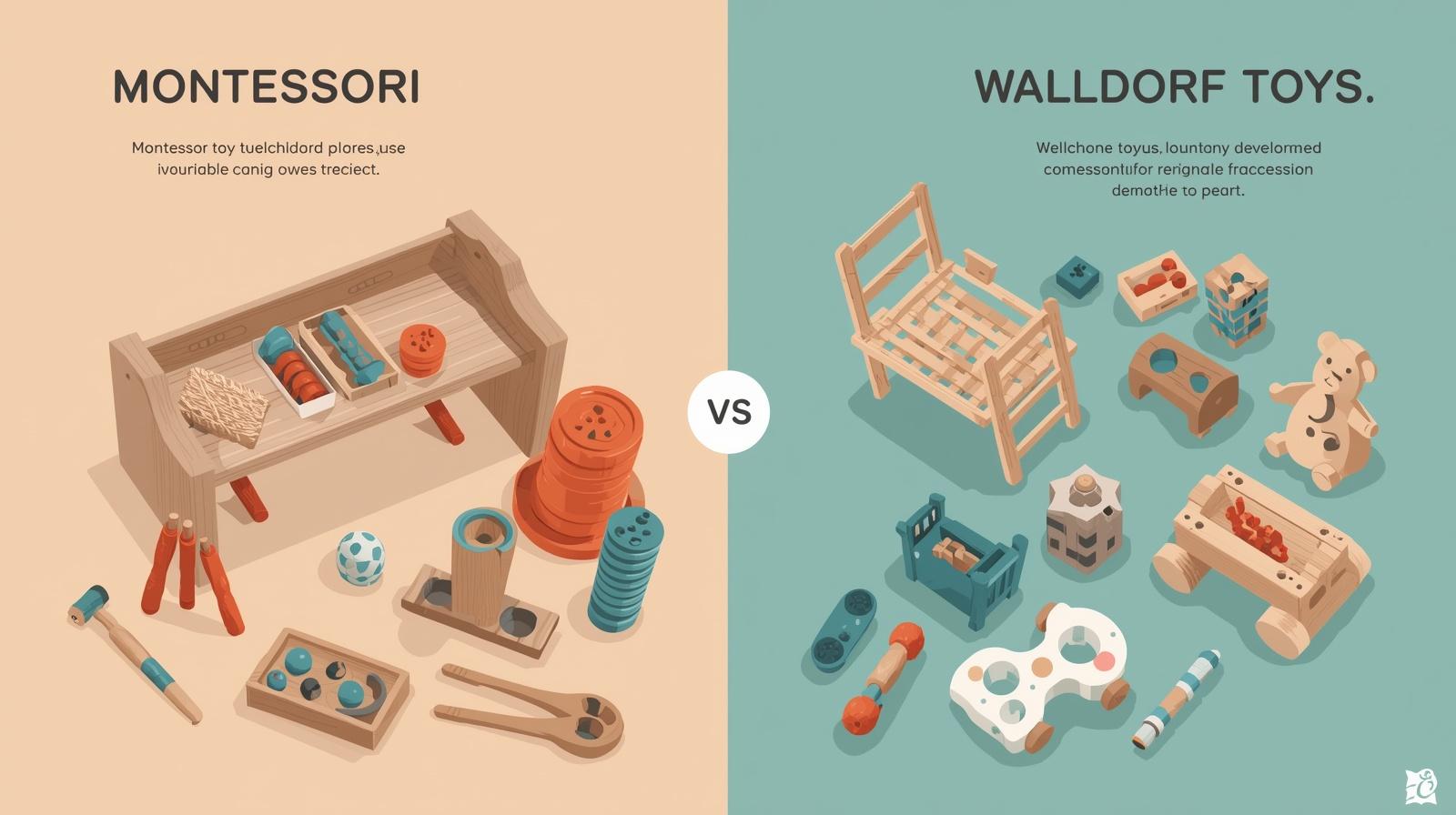
Montessori vs. Waldorf toys—what’s the real difference? Discover which toys are better for your child’s development, with real examples, pros & cons, and top Amazon picks.
Looking for STEM toys that keep kids busy for hours without screens? Discover engaging, hands-on toys that promote creativity, focus, and long-lasting play.
Looking for the best STEM toys under $50 that kids actually use? These parent-tested picks combine fun, learning, and high replay value—without wasting money on toys kids ignore.
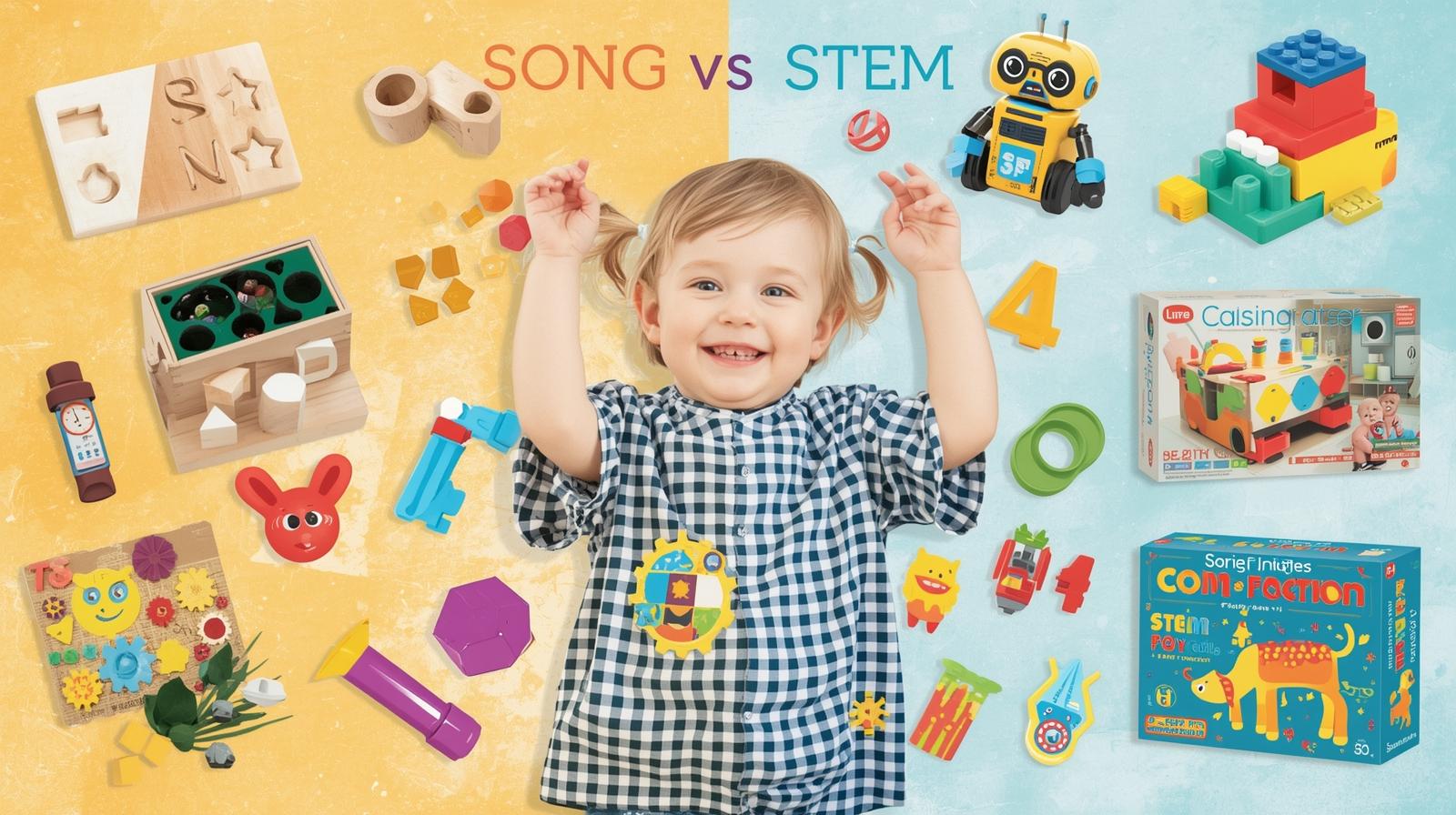
Montessori vs STEM toys for 3-year-olds—what works better? Discover the key differences, benefits, and the best approach to boost your child’s learning, creativity, and development.
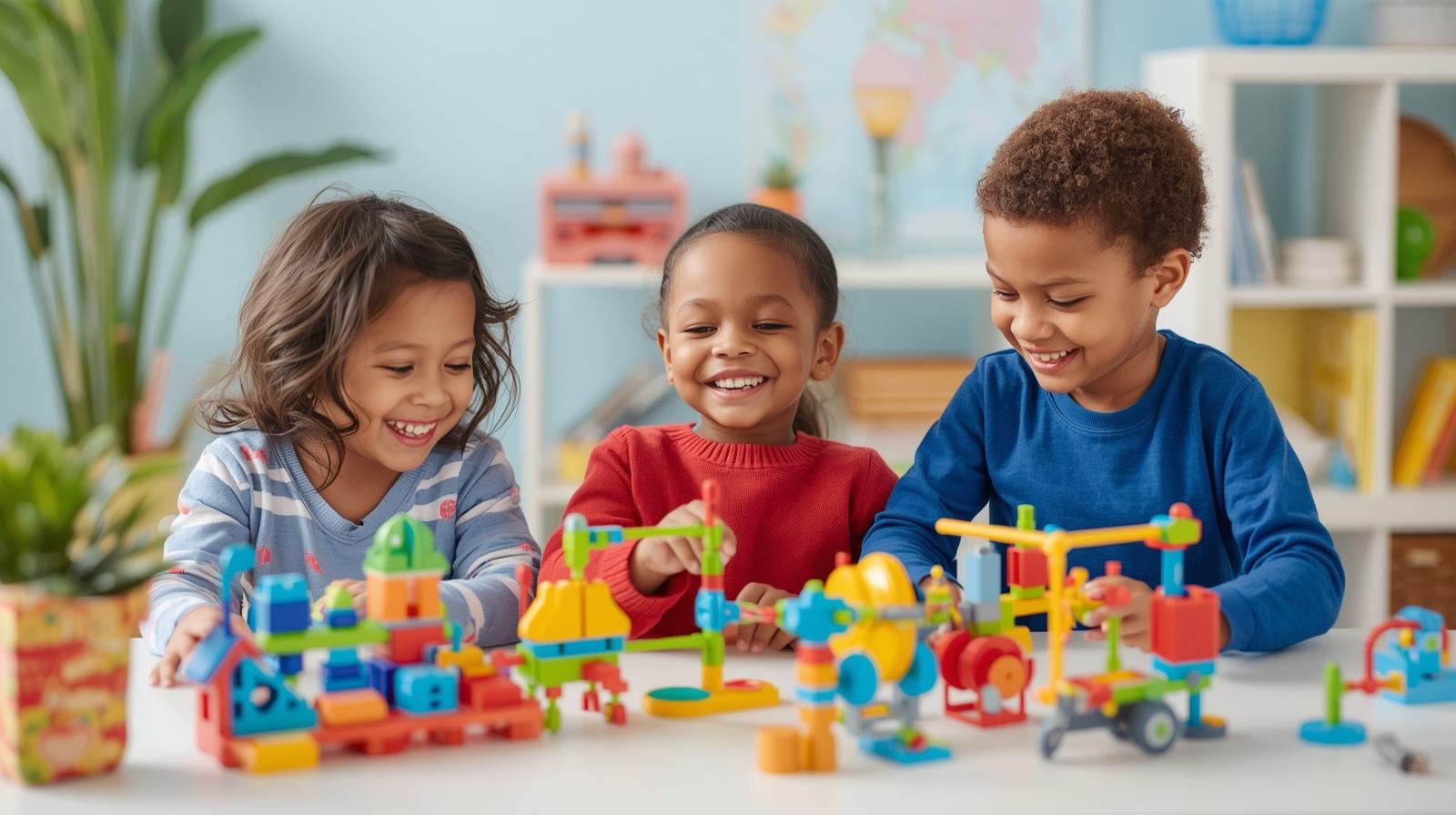
Looking for gender-neutral STEM toys for kids ages 5–9? Discover the best hands-on science, engineering, and coding toys that inspire creativity, problem-solving, and curiosity for both girls and boys.
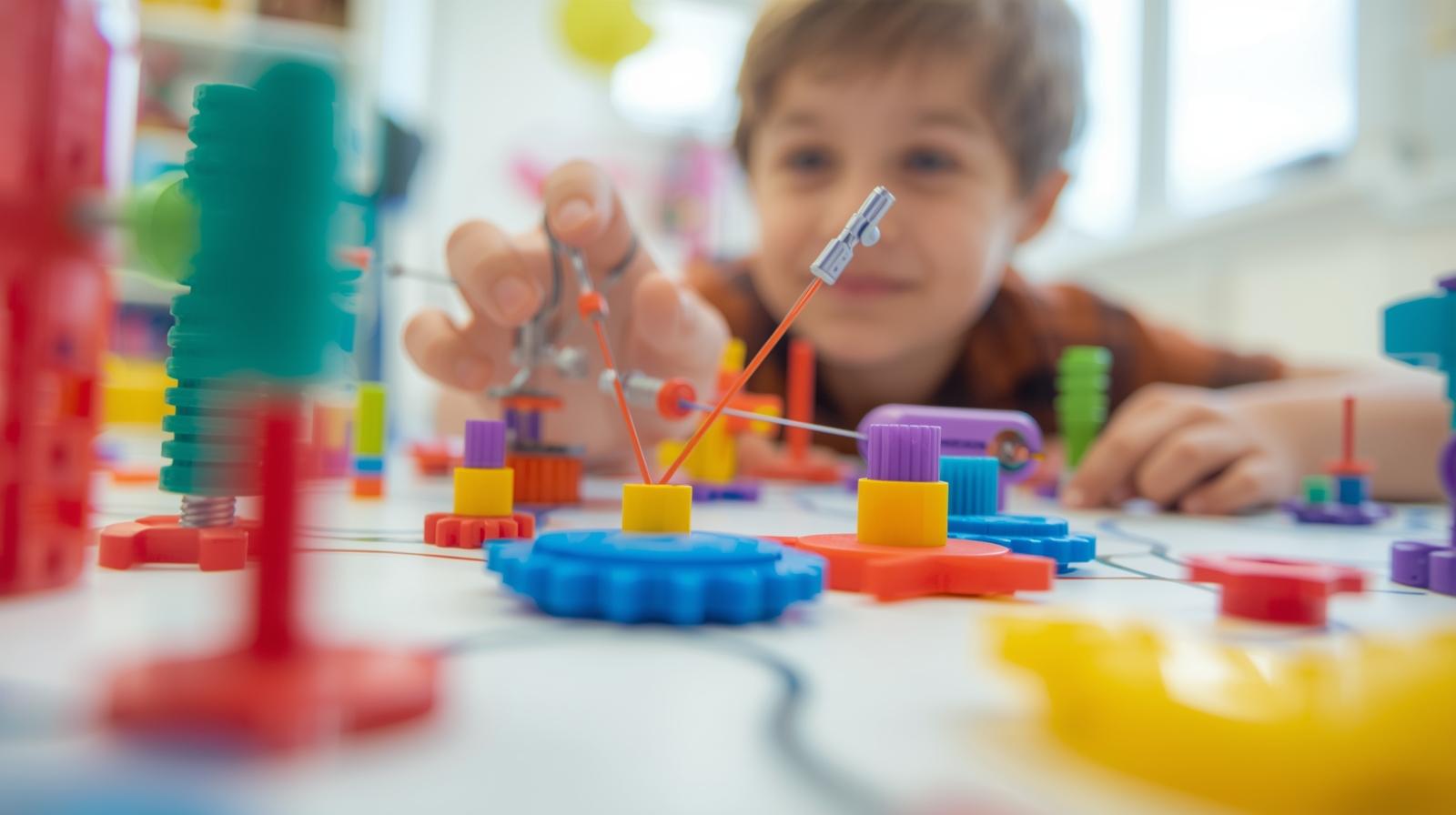
Hands-on physics toys help curious kids ages 7–10 explore motion, gravity, magnetism, and engineering through fun experiments. Discover engaging STEM toys that turn playtime into exciting science learning.
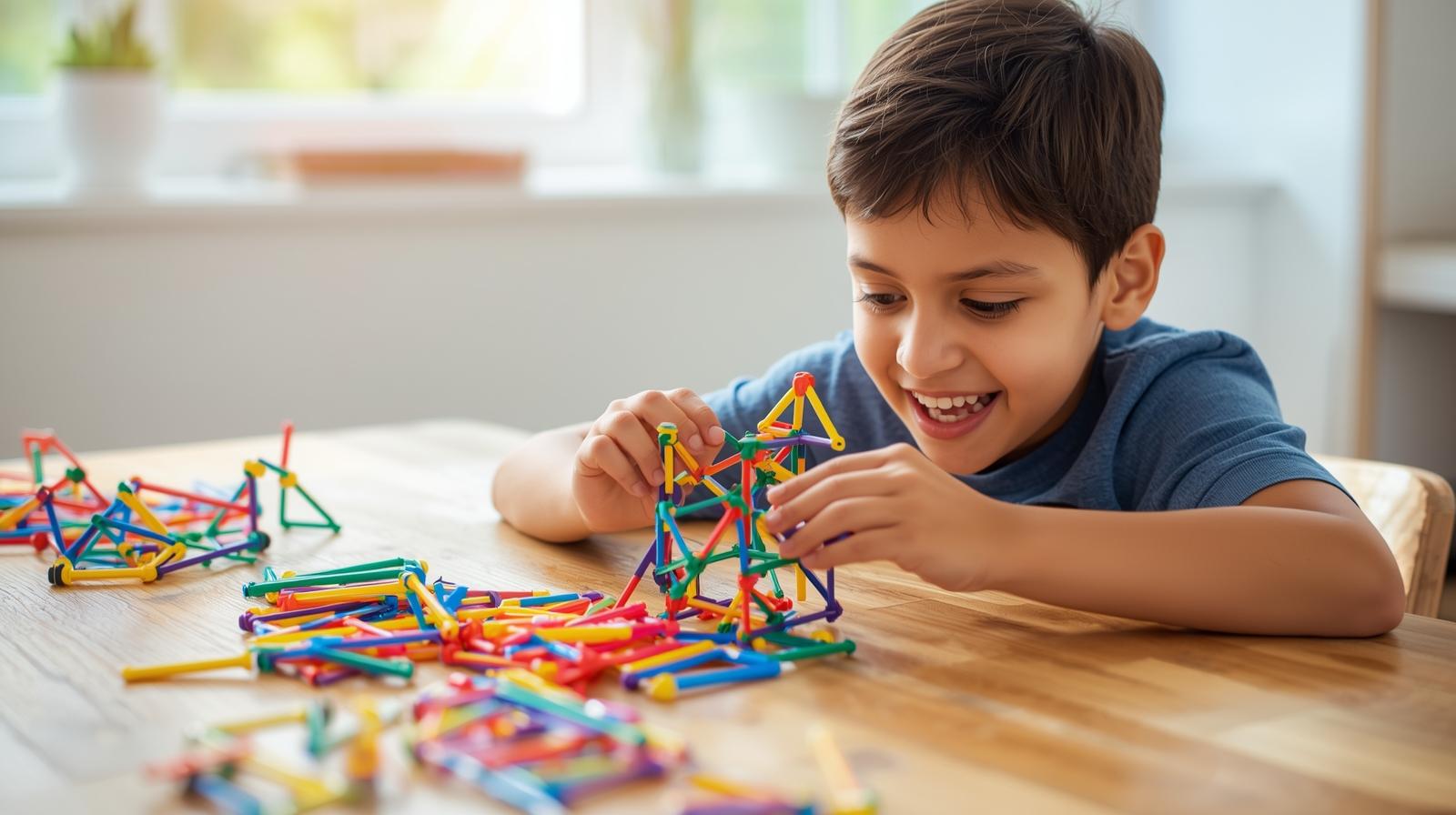
Some kids naturally think like engineers. They build tall towers, test structures, and redesign things when they fall apart. Magnetic STEM toys are perfect for these young builders because they…
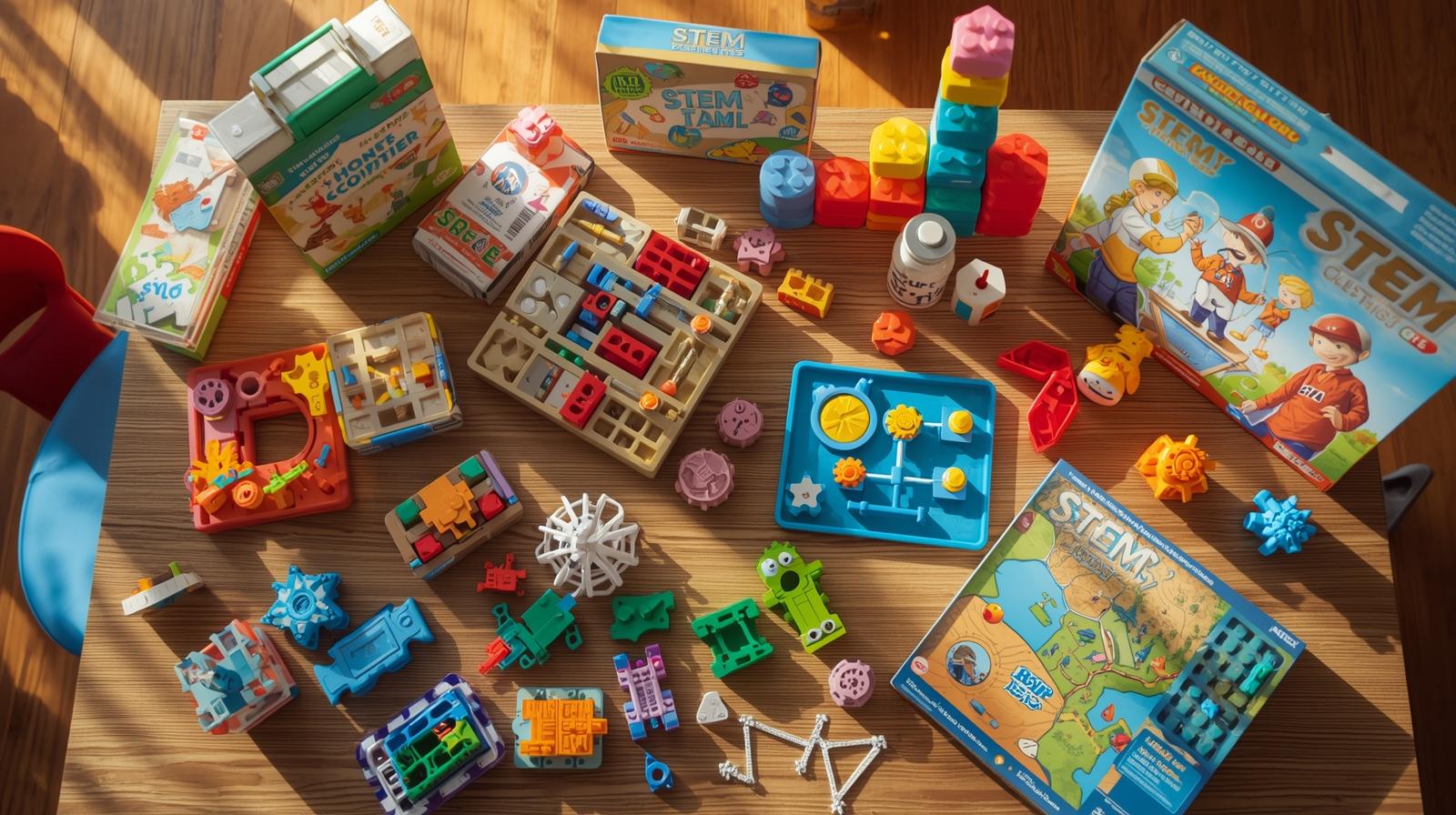
Many homeschool families struggle with the same challenge: how to reduce screen time without hearing constant complaints. Kids today are used to digital entertainment, which makes traditional learning tools sometimes…
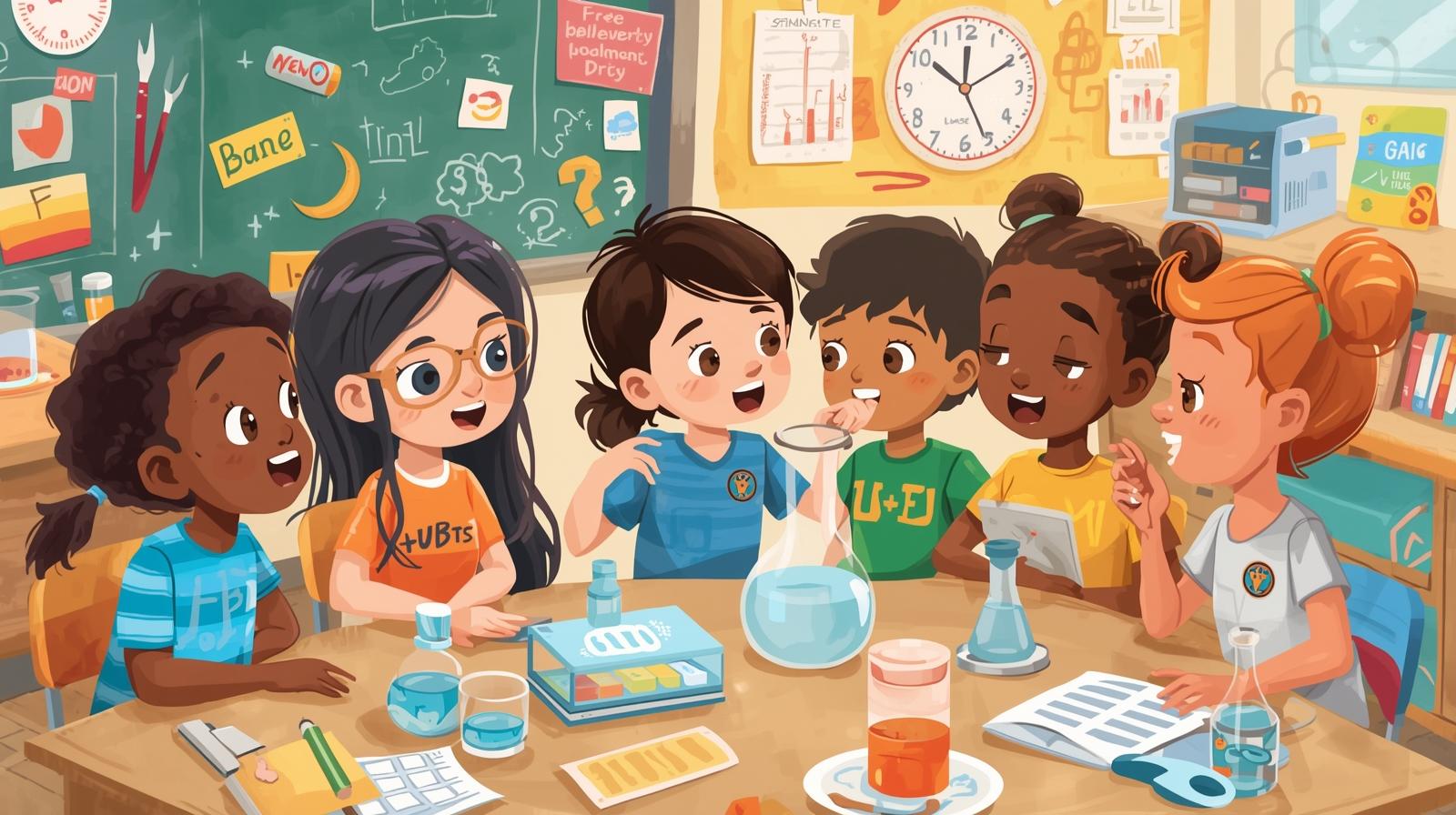
Looking for simple, classroom-friendly science experiments for elementary students? These hands-on activities use basic materials and teach key science concepts like chemical reactions, density, magnetism, and plant growth.